

更新 1 hour 以前に
カスタムコーヒーパッケージ: 完全なブランドシステムの構築方法

ypak.coffee(イパク・コーヒー)
YPAKパッケージンググループは 2011 そして 3 香港に拠点を置く企業, 東莞と佛山. 私たちは中国最大級のコーヒーバッグメーカーの一つになりました. 私たちはスイス製の最高品質のWIPFバルブを使用して、コーヒーを新鮮に保ちます.
多くの国で課されているプラスチック禁止政策に適合すること, 持続可能な包装袋の研究と開発を行ってきました, リサイクル可能・堆肥化可能なポーチなど.
最低量はない, HP 25K INDIGOデジタルプリントサービスではカラープレートは不要です.
YPAKへの訪問は歓迎します.
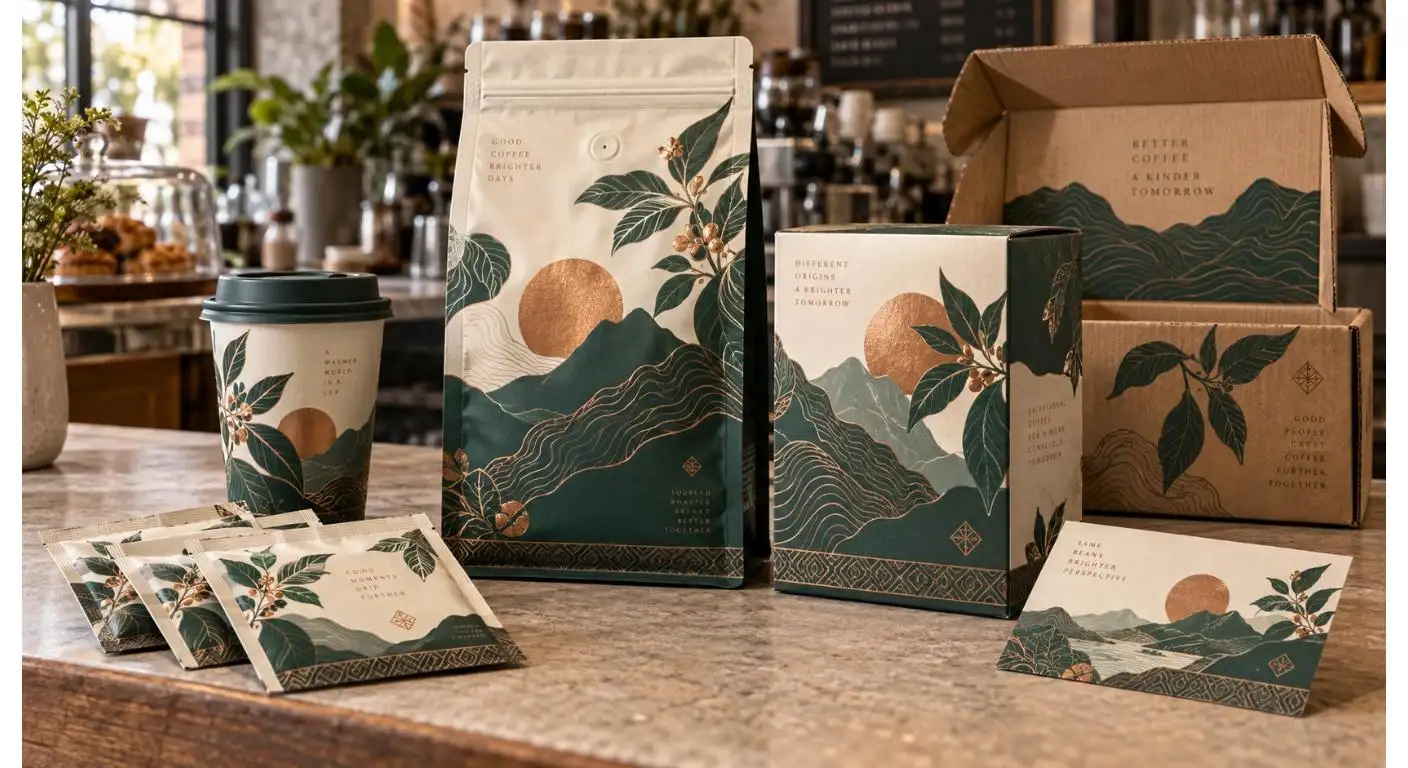
カスタムコーヒーパッケージ
人々がカスタムコーヒーパッケージについて考えるとき, 彼らはしばしば単一のバッグデザインを想像します. 実際には, 顧客がコーヒーブランドと最初に接触するのは、小売用のポーチである場合もあります, 購読ボックス, takeaway cup, sample pouch, drip coffee carton, gift box, または輸送カートン.
When each format is developed separately, カラー, 料, タイポグラフィ, 製品情報, and opening experiences can quickly become inconsistent. A better approach is to create a packaging system that protects coffee quality, communicates a recognizable brand identity, and remains flexible enough for future products.
This guide is intended for brands developing coffee packaging for the first time, redesigning an existing package, or expanding from one format into a coordinated product range.
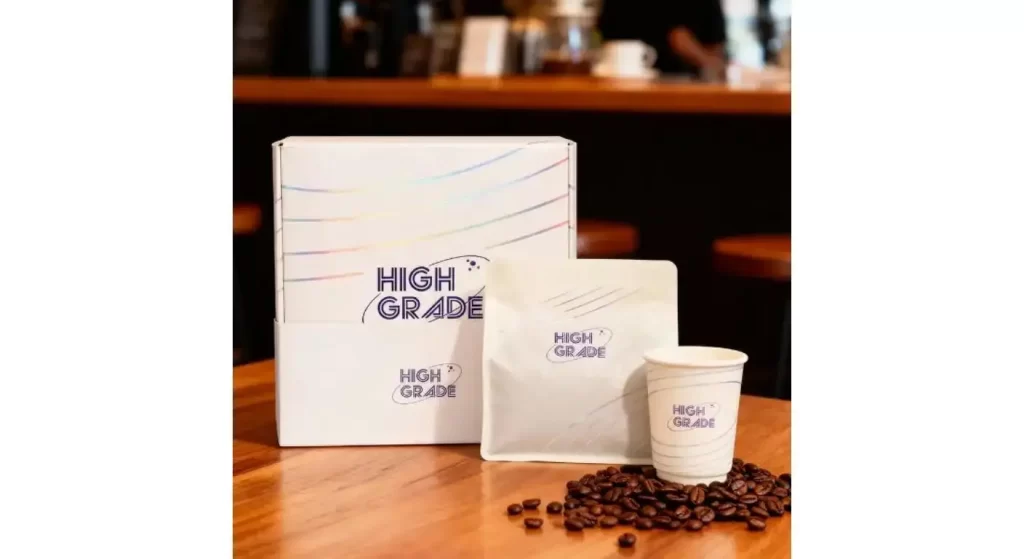
まずは ブランド 位置
Before selecting a bag or box, define how customers should perceive the coffee. A traditional roaster, minimalist specialty brand, luxury gift company, and convenience-focused subscription service will require different packaging systems.
Clarify the brand's:
- Primary customer
- Price position
- Coffee origin story
- Retail environment
- Visual personality
- Sustainability priorities
- Main sales channels
- Planned product expansion
These decisions should guide every packaging format. A natural kraft appearance may suit an origin-focused brand, while restrained typography and controlled colors may better support a contemporary premium position.
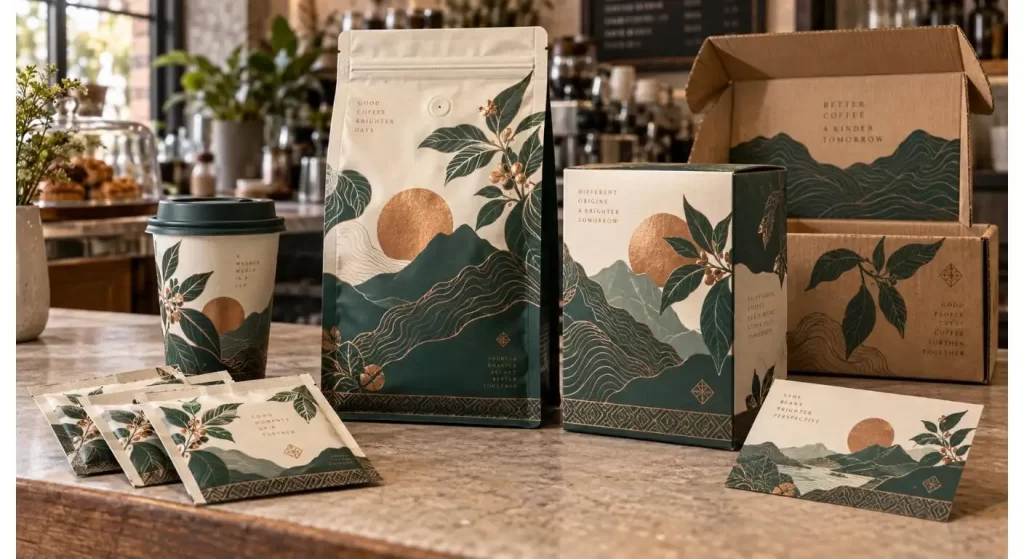
Map Every Customer Touchpoint
Identify every point at which the packaging is seen, handled, 開業, 保管, and disposed of. This may include the primary coffee bag, product label, リテールボックス, takeaway cup, delivery carton, insert card, and gift box.
Not every component requires complex printing. Decide which items deliver the main brand experience and which primarily communicate product or handling information.
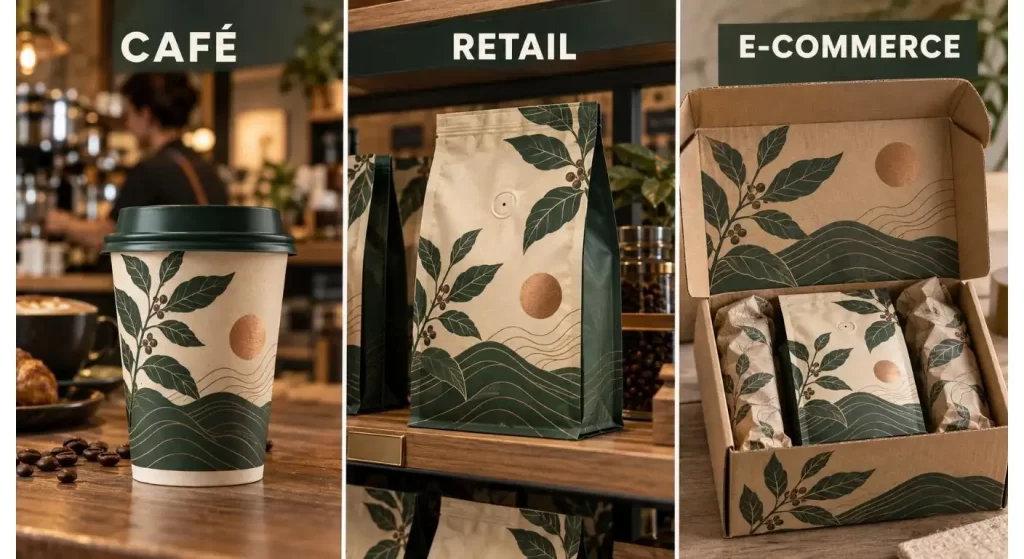
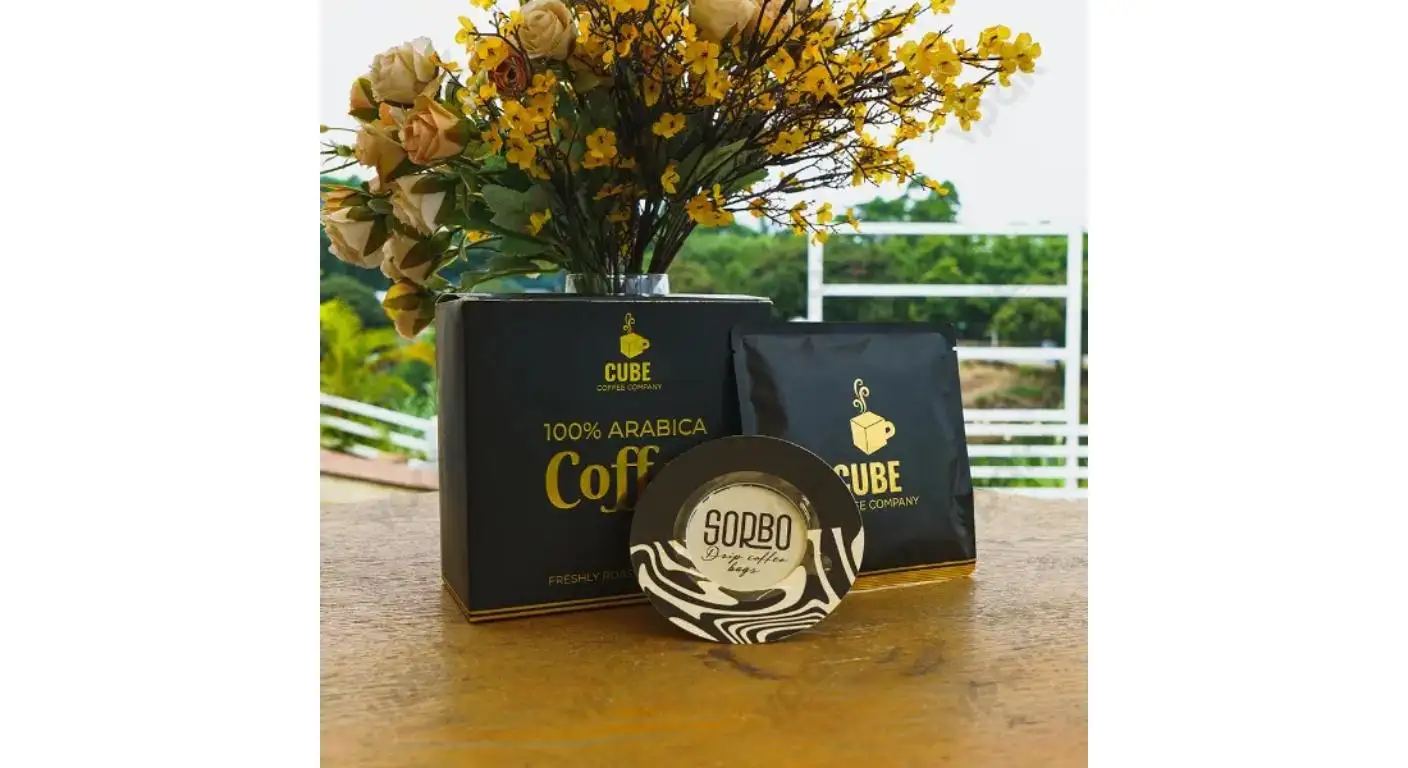
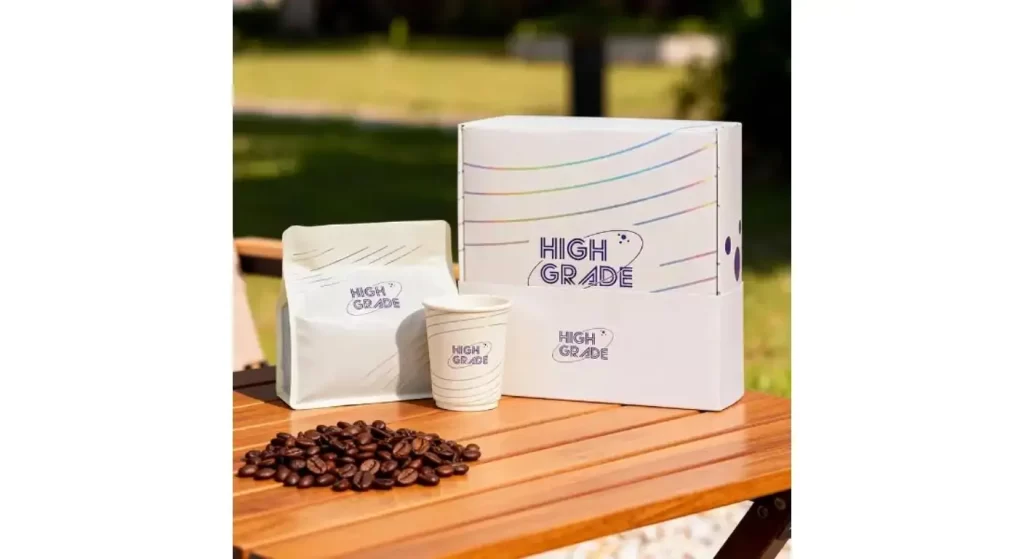
YPAKの custom holographic coffee packaging set demonstrates how coffee bags, 紙コップ, and boxes can share one visual treatment instead of appearing as unrelated products.
| Packaging touchpoint | Primary function | Fixed brand element | Variable information |
| コーヒーバッグ | Freshness and retail presentation | ロゴ, タイポグラフィ, base layout | 起源, ロースト, プロセス |
| Product label or card | SKU identification | Shape and design system | テイスティングノート, batch |
| リテールボックス | Grouping and shelf display | Colors and visual hierarchy | Pack count, 製品タイプ |
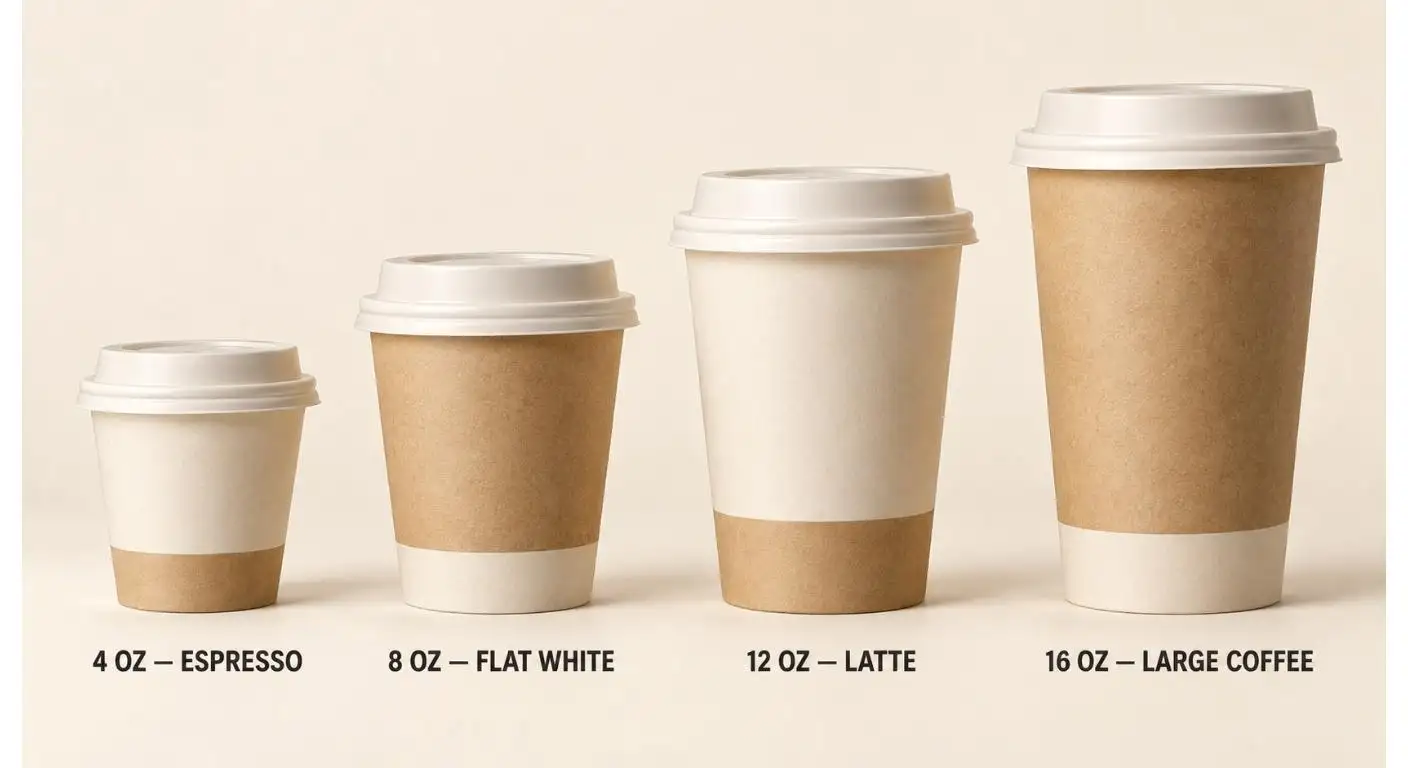
| Takeaway cup | Mobile brand visibility | Logo and core pattern | Cup size or campaign |
| ギフトパッケージ | プレミアムプレゼンテーション | Brand story and finish | Occasion or recipient |
| Shipping carton | Delivery protection | Brand mark and handling style | Order and logistics data |
Select the Primary Packaging Around the Coffee
Choose the package that protects the coffee before selecting decorative secondary packaging.
Whole-bean coffee is commonly packed in flat-bottom, スタンドアップ, or side-gusset bags with suitable barrier layers. A resealable zipper may improve storage after opening, while a one-way degassing valve may be needed for freshly roasted beans.
Ground coffee can require stronger protection from oxygen and moisture because of its greater exposed surface area. Sample portions and drip coffee products need smaller formats with accurate and reliable seals.
YPAKの custom packaging builder helps brands compare bag styles, サイズ, 料, 印刷方法, バルブ, and sustainability options for different coffee products.
Add Secondary パッケージング Only When It Has a Clear Purpose
ボックス, 袪, and carriers should solve a practical problem. They may group several sachets, support a flexible pouch, improve gift presentation, provide more information, or create a stronger retail display.
Do not add a box simply to make a product appear more premium. Unnecessary secondary packaging increases material use, shipping volume, 集合時間, and disposal complexity.
An insert can hold products securely and control the opening sequence of a gift set. A sleeve may provide sufficient branding for a retail coffee pouch without fully enclosing the primary bag.
YPAKの box and bag sleeves show how a compact printed component can adapt an existing packaging system for seasonal products or different markets.
Develop a Flexible Visual System
A packaging system needs both fixed and variable components. Fixed elements may include logo position, タイポグラフィ, background style, 仕上げ, and core brand colors. Variable elements can identify origin, ロースト, プロセス, テイスティングノート, and pack size.
Use a clear information hierarchy:
- Brand name
- Coffee or product name
- Origin and roast information
- 純重量
- Brewing and storage instructions
- Required legal information
Color coding can help customers distinguish products, but it should not be the only identifier. Product names and other essential information must remain readable.
Plan for Multiple SKU
New origins, seasonal microlots, コラボレーション, and decaffeinated coffees can create packaging inventory problems. Producing a completely different printed bag for every short-life coffee may leave significant obsolete stock.
A scalable system can combine a shared master bag with variable labels or cards. Digital printing suits smaller volumes and multiple designs, while gravure printing is generally better for stable products and higher quantities.
YPAK(ヤ・パック) coffee packaging options include stock bags with labels, ホットスタンピング, card slots, デジタル印刷, and gravure printing. This allows brands to choose a customization level that matches each product's expected sales life.
Connect the パッケージング to the Sales Channel
Retail packaging needs strong shelf recognition and information that is readable from a distance. E-commerce packaging must withstand fulfillment, 圧縮, 振動, and repeated handling. Subscription packaging should make several products easy to identify and unpack.
Café packaging has different priorities. Cups and carriers must support fast service, while retail coffee bags should remain easy for customers to store after opening.
Export projects must also consider shipping-carton dimensions, パレット効率, language versions, バーコード, および目的地市場要件. Test the complete packaging system in the channel where it will actually be used.
Make 持続可能性 Claims Specific
Material selection should balance barrier performance, 強度, 外見, and the intended end-of-life route. リサイクル可能, 堆肥化可能, PCR-containing, and FSC-certified packaging describe different attributes.
Do not use these terms interchangeably or assume that one attribute applies to the entire package. A recyclable coffee bag, 紙箱, ラベル, and valve may each require separate material verification.
Design should also remove unnecessary size and components. A right-sized package that protects the coffee reliably may offer greater practical value than an elaborate structure with unclear environmental benefits.
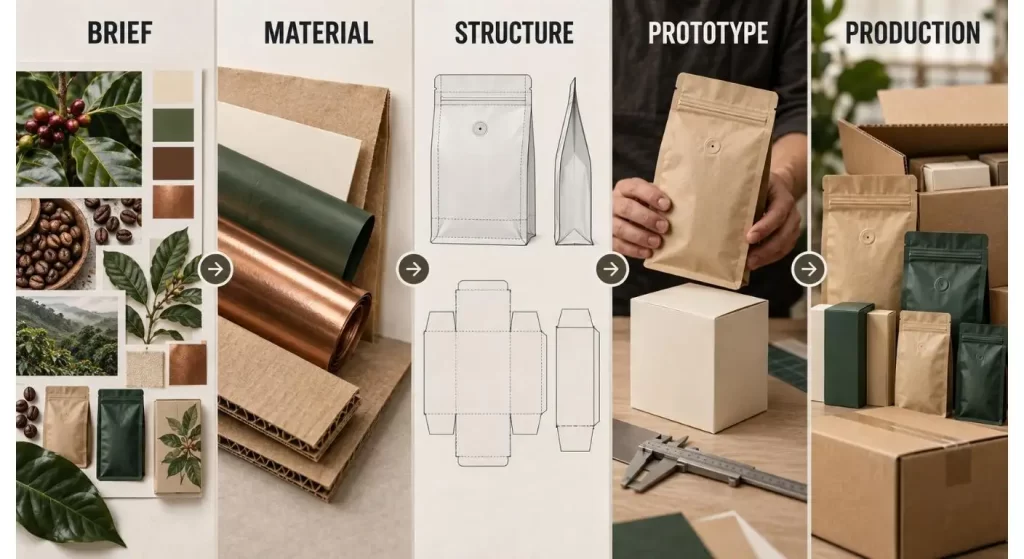
Prototype the 完了 経験
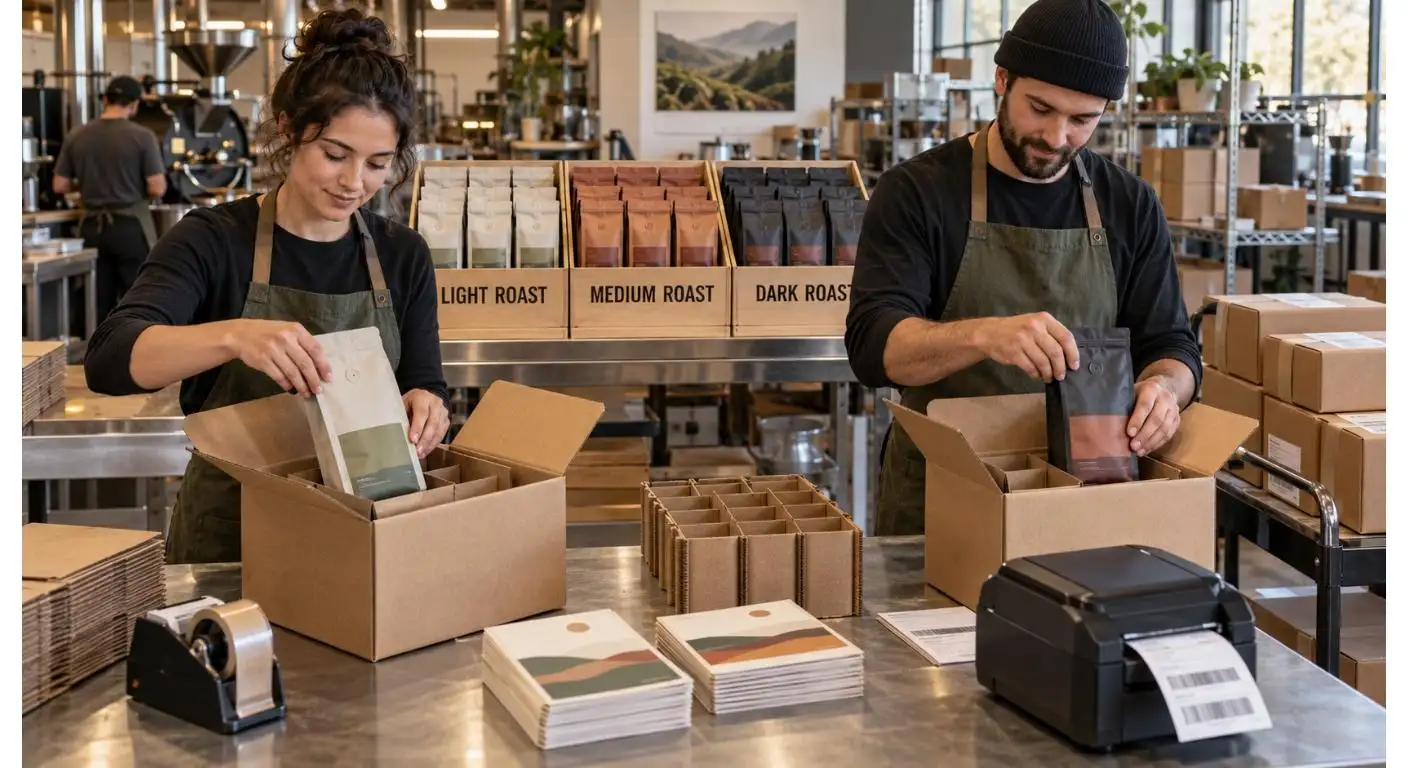
Review more than an artwork PDF. Fill the bag with actual coffee, place it in the intended box, apply the label, close the shipping carton, and repeat the same steps that staff and customers will perform.
チェック:
- Filled dimensions
- Seal and valve position
- Opening and resealing
- Product identification
- Box and insert fit
- Cup and lid compatibility
- バーコードの可読性
- 荷造りの時間
- 船舶保護
- Disposal instructions
YPAKの sample policy allows brands to test materials and structures before committing to full production.
Prepare a Controlled Launch Plan
A new brand does not need every packaging format on its first day. Begin with the packaging required for the main revenue-generating product, then extend the approved visual and material system to secondary product lines.
Document approved colors, 料, ダイラインズ, 仕上げ, 寸法, サプライヤー, and artwork versions. This becomes the packaging specification for repeat orders and future expansion.
After launch, collect feedback from packing staff, 小売業者, and customers. Real use can reveal problems that are not visible in a studio mockup.
結論
Custom coffee packaging is not simply a collection of attractive packages; it is a coordinated system. It protects coffee quality, guides consumers, supports different sales channels, and creates room for future products within the brand.
Begin with the coffee, map customer touchpoints, define fixed and variable design rules, and prototype the complete experience. YPAK(ヤ・パック) provides coffee bags, ボックス, カップ, 小物, 印刷, and sampling support for brands developing coordinated packaging systems.
よくある質問
Q1. What can be customized in coffee packaging?
Brands can customize dimensions, 構成, 材料, 印刷, 終える, バルブ, 箱, ラベル, 挿入, and accessory systems. Available options depend on the product, 注文量, および生産方法.
第2四半期. Should the coffee bag or coffee box be designed first?
Design the primary coffee bag first because it determines freshness protection and filled dimensions. Develop the box or sleeve around the approved filled bag.
Q3. Can one design system work across bags, ボックス, そしてカップ?
はい, but the artwork must be adapted for each format. Use consistent colors, タイポグラフィ, and information hierarchy instead of copying the same layout without adjustment.
Q4. How can a small brand manage multiple coffee origins?
Use variable labels, カード, or digital printing with a shared master package. This reduces surplus inventory while keeping the product range consistent.
Q5. Is all coffee packaging recyclable?
いいえ. リサイクル可能, 堆肥化可能, PCR-containing, and certified paper materials have different definitions and disposal routes. Environmental claims should be verified for every packaging component.
Q6. 最小注文量とは何ですか??
最小注文量は 1,000 部分. 最終的な要件はパッケージのサイズによって異なる場合があります, 材料, 構成, 印刷方法, およびカスタマイズ仕様.
脚本
ypak.coffee(イパク・コーヒー)
イパク
YPAKパッケージンググループは 2011 そして 3 香港に拠点を置く企業, 東莞と佛山. 私たちは中国最大級のコーヒーバッグメーカーの一つになりました. 私たちはスイス製の最高品質のWIPFバルブを使用して、コーヒーを新鮮に保ちます.
多くの国で課されているプラスチック禁止政策に適合すること, 持続可能な包装袋の研究と開発を行ってきました, リサイクル可能・堆肥化可能なポーチなど.
最低量はない, HP 25K INDIGOデジタルプリントサービスではカラープレートは不要です.
YPAKへの訪問は歓迎します.