

更新 3 月 以前に
循環型経済の実践: の "バッグ・トゥ・バッグ" 持続可能なコーヒーバッグ包装のクローズドループ

ypak.coffee(イパク・コーヒー)
YPAKパッケージンググループは 2011 そして 3 香港に拠点を置く企業, 東莞と佛山. 私たちは中国最大級のコーヒーバッグメーカーの一つになりました. 私たちはスイス製の最高品質のWIPFバルブを使用して、コーヒーを新鮮に保ちます.
多くの国で課されているプラスチック禁止政策に適合すること, 持続可能な包装袋の研究と開発を行ってきました, リサイクル可能・堆肥化可能なポーチなど.
最低量はない, HP 25K INDIGOデジタルプリントサービスではカラープレートは不要です.
YPAKへの訪問は歓迎します.
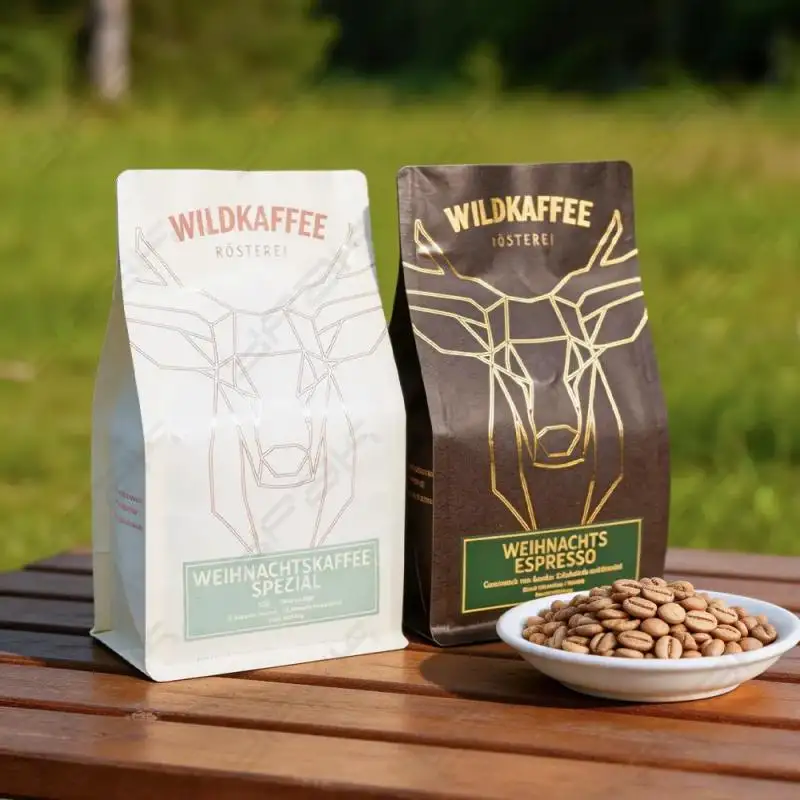
持続可能なコーヒーバッグのパッケージング
導入: 朝のコーヒーの隠された代償
良いコーヒーを楽しむ時間を取るとき, パッケージのこと考えたことはありますか?? 統計は驚くべきものだ. 周辺 80% 私たちの世界で生み出されるプラスチック廃棄物は環境問題の一部となり、決して回収されません. それは私たちの海に取り返しのつかない損害を与えます. コーヒーは伝統的にプラスチックとアルミホイルの多層複合材料で包装されており、つまりリサイクルが不可能です. これらの袋は埋立地に残っています, 貴重で有限な土地を独占すること, そしてその過程でゆっくりとマイクロプラスチックへと分解されていきます. マイクロプラスチックは土壌や水を汚染します.
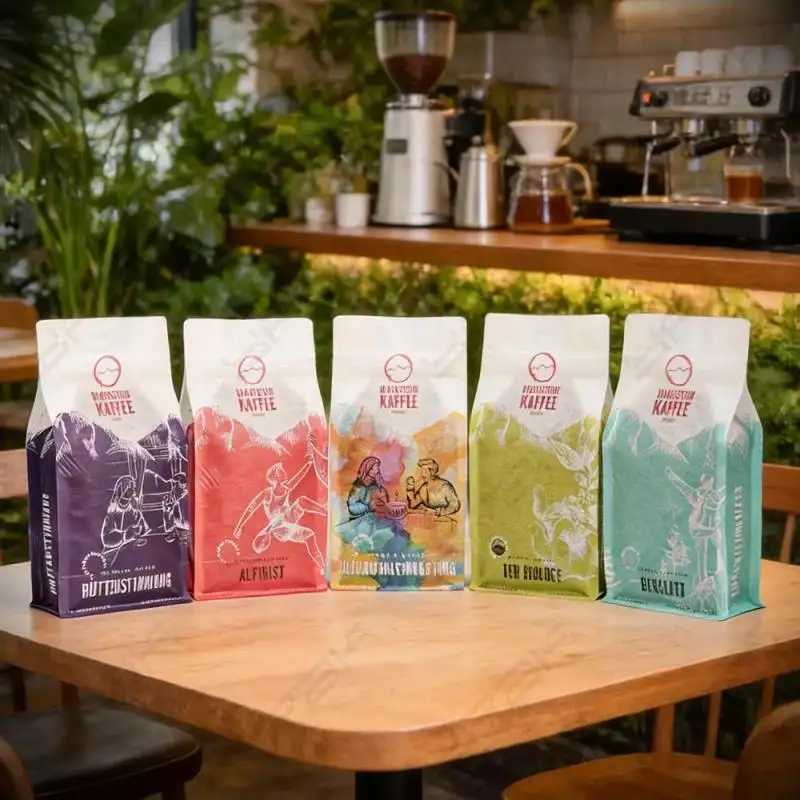
現在、静かに革命が進行中です. 持続可能なコーヒー包装の革新はもはや珍しいものではありません. これらのパッケージングイノベーションの基盤は循環型経済です: 線形経済からの革命的な断絶 "取る-作る-処分する" 資源が再利用される経済へ, 継続的に再利用・リサイクルされています. 本記事では、コーヒー包装における循環型経済について読者に説明し、さらに環境や大気劣化から守る持続可能なコーヒー包装を製造するYPAKや他のメーカーにも注目しています.
線形問題: なぜ伝統的なコーヒーバッグが環境災害なのか
多層構造の複雑さがリサイクル問題を引き起こす
コーヒーの鮮度を守るには、複数の素材を重ね合わせる必要があります (ペット, アルミホイル, 又は, 接着剤). 従来のコーヒー包装は効果的で製品を保護します, それは解決不可能な新たな問題を生み出します:
・リサイクル時の不可分性: 異なる素材が層状に重なっているからです, 通常のリサイクル中に層を分離することはほぼ不可能です.
・脱気弁の追加, 焙煎コーヒーからCO2が排出されるように、コーヒーバッグに一般的に置かれます, さらに問題を悪化させています. これらのバルブはリサイクルもできないためです, これらは袋のリサイクル性をさらに複雑にしています.
・廃棄物の蓄積: 廃棄されたコーヒーバッグは何百年もの間埋立地に放置され、悪化する世界的な廃棄物問題に拍車をかけています.
伝統的な包装のコスト
従来のコーヒーバッグ包装は、生じる廃棄物だけでなく、環境にも大きな負担があります. 包装は製造と輸送に多くのエネルギーと炭素を消費します. 研究によると、従来のコーヒー包装は輸送する1トンあたり数トンの炭素がかかると推定されています.
循環解法: 持続可能なコーヒーバッグ包装の三つの要素
持続可能なコーヒーバッグ包装のモデルは、循環型経済のあらゆる側面に対応し、同じ3つの相互接続されたソリューションに依存しなければなりません.
柱 1: 単一素材リサイクルバッグ — 少ないほど良い
コーヒーバッグの包装は、モノマテリアル包装で改善されている可能性があります. これには、ポリエチレンやポリプロピレンのような単一種のリサイクル可能なプラスチックを用いたデザインが含まれます (PEかPP).
・劇的な炭素削減: 単一種の素材で作られたパッケージは環境に優しく、カーボンフットプリントも含まれます。 50% 従来のマルチマテリアルパッケージと比べて小型化.
・既存流路でのリサイクル可能性: ポリエチレンが単独使用であるため (又は) およびポリプロピレン (PP) モノマテリアルバッグで, これらの袋は複数流路のソフトプラスチックリサイクルプログラムでリサイクルされています.
・バリア性能に妥協なし: モノPEおよびモノPPラミネートは、従来の多層構造と湿気および酸素のバリア性能において競合できるようになりました, コーヒーバッグが最適な鮮度を保ちつつ持続可能にできる.
✅ YPAKの単一材料ソリューション: YPAKはリサイクル可能なモノマテリアルラミネートを持ち、多様な用途オプションを持ち、高性能かつ優れた印刷性を備えています. YPAKのPEコーヒーバッグ 高性能なWIPFエアヴェイルズが付属しています, そして袋は最適なリサイクル性を提供するよう設計されています.
柱 2: PCR (ポストコンシューマーリサイクル) 材料 – プラスチックのリサイクル
循環型経済の原理のように, ポストコンシューマーリサイクル (PCR) 材料はプラスチック廃棄物の包装の解決策です.
・ループのクローズ: PCRコーヒーバッグは、家庭や商業廃棄物から抽出されたソフトプラスチックで作られています, 包装公害ソリューションの作成.
・バージンプラスチックの減少: パッケージングにおけるPCRの使用について, バージンプラスチックの必要性は減少しています.
•食品の安全性: 共押出技術の使用, PCRはプラスチックサンドイッチの中央に層状に配置されています, つまり、コーヒーに直接触れることは決してありません, 同じ防護バリアを提供しながら.
✅ YPAKのPCRイニシアチブ: YPAKは環境に優しいパッケージ製品ラインにPCR素材を追加しました. PCRコーヒーバッグは消費者からリサイクルされた素材で作られています. この革新は環境に優しいものを提供します, 便利だ, コーヒーを光から守り保存する高品質な製品ライン, 水分, そして空気.
柱 3: 堆肥化可能なバイオマテリアル - 循環性
リサイクルインフラが不足している場合, 堆肥化可能な材料も有効な選択肢となり得ます.
・工業用堆肥化: PLAで作られた袋に特殊なバリアを施したものは、工業用堆肥化施設で分解して水に変換できます, 二酸化炭素, および堆肥.
•家庭用堆肥化可能: YPAKはTÜVオーストリア認証のパッケージを提供しています, およびTÜV OKコンポストホーム, 堆肥化可能な製品を家庭内で安全に処分できるようにする.
・生分解性バリアを備えた天然クラフト紙ラミネートは、化石素材プラスチックへの依存を減らす方法です, 再生可能であるため, ファイバーベース, 紙ベースの.
✅ YPAKの堆肥化可能な範囲: それ以上のものを 20 コーヒー包装の経験, YPAKはクラフトを含む最も包括的な堆肥化可能な袋のラインナップを開発しました, 計画, そしてライスペーパー, および は "究極の解決策" プラスチック包装の問題へ.
YPAK(ヤ・パック): 円形移行の設計
イノベーションの遺産
YPAKはそれ以上のものを持っています 20 中国最大級のコーヒーバッグメーカーの一つとして長年の経験. YPAKの提供において持続可能性は非常に重要です:
・オールインクルーシブ, 環境に優しいサービス: YPAKは堆肥化可能な袋を提供しています, リサイクル, またPCR素材で作られているため、コーヒーブランドはより持続可能な選択肢を多数持っています.
・WIPFバルブ: YPAKはスイス製の高品質WIPFバルブを使用しており、コーヒーの新鮮さを保つとパッケージのリサイクル可能性も考慮しています.
・設計オプション: YPAKは、フラットボトムのパウチを選びながら、さまざまな持続可能な包装ソリューションを提供しています, さまざまなデザインや柔軟性のあるスタンドアップまたはサイドガセット.
YPAK(ヤ・パック)'サステナビリティへのコミットメント
•積極的なアプローチ: YPAKは、リサイクル不可からリサイクル可能への移行を可能にするパッケージを提供することで、使い捨てプラスチックの規制強化に先んじています.
・新しいコレクションの流通に対応するための革新: YPAKは、資料がリサイクルされ、最大限に活用されるよう、新たな収集ルートの創出に注力しています.
・低VOC印刷: YPAKの新素材は国際的にリサイクル可能認証を受けており、低VOCインクで印刷されています, これにより、品質の良いパッケージを維持しつつ排出量を削減できます.
・YPAKと循環型経済: YPAKは環境に優しいソリューションとカーボンフットプリント削減に焦点を当てた継続的なプロジェクトを展開しつつ、循環型経済へのコミットメントを示しています.
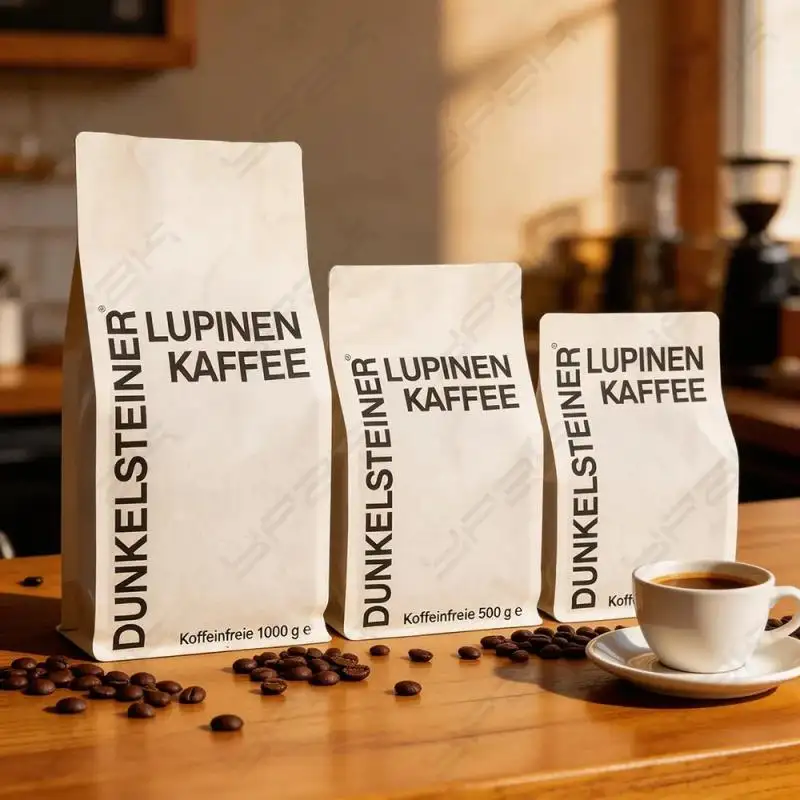
完全に持続可能なシステム
将来に耐えた持続可能なコーヒーバッグは、単なる素材以上のものに焦点を当てています. バッグはより高度なシステムの一部です.
規制の要因
規制環境はこの変化を加速させています. EU包装および包装廃棄物規制 (PPWR) —2025年2月より—は以下のことを要求しています。 2030, すべての包装は合致しなければなりません "リサイクル設計" 基準. さらに, コーヒーバッグやコーヒーポッドは2月までに堆肥化する必要があります 2028. これらの義務は業界にイノベーションを促しており、YPAKはすでにこれらの要件を満たすための立場にあります.
消費者の期待
消費者もますますこの過程の一部となっています. 持続可能性を示す梱包がますます人気を集めています, 特に消費者のような人たちにとっては 51% 持続可能な包装を使った製品により多くのお金をかける意欲がある人たち. 一部のパッケージでは、カーボンフットプリントを説明するQRコードが使われています, 製品の発生地, および製品の処分方法.
バッグからバッグへ: ビジョン
最も循環的なプロセスは袋から袋までのクローズドループシステムです. このシステムは古い袋を使って同じ製品用の新しい袋を作ります. リサイクルが簡単な包装の方が (例えば、モノマテリアルのデザインや、消費後リサイクル素材を含むデザインなどです) そしてより良い収集システム このビジョンは現実のものになりつつあります.
結論: あなたの選択が重要です
環境に優しい袋に包装されたコーヒーを購入することは、より良い未来のための投票です. それは、地球を守り、廃棄物を排除するための循環型経済のための資材再利用を促す運動の一員であることを示しています.
次にコーヒーを買うとき, 豆の向こう側を見ることを忘れないでください. YPAKのような業界をリードする企業による革新的で持続可能なデザインが、これらすべての設計課題を解決しています.
持続可能なコーヒーバッグを作り、今すぐ見積もりをご依頼ください.
よくある質問
Q1: リサイクル可能なコーヒーバッグと堆肥化可能なコーヒーバッグはどう違うのでしょうか?
a: 堆肥化可能な袋は、完全に分解するには工業用または家庭用堆肥環境が必要です. リサイクル可能な袋は機械的リサイクルを経て新しいプラスチック製品になります.
第2四半期: PCRで作られたコーヒーバッグの使用は安全ですか? (ポストコンシューマーリサイクル) 材料?
a: はい. 共押出層のPCRはコーヒーに触れません, バリアはバージン素材と変わりません.
Q3: コーヒーバッグが環境に優しいかどうかはどうやって見分ければいいのでしょうか?
a: 最善の方法は第三者の認定証を探すことです. 例えば, TÜV OK コンポストは堆肥化可能性を証明します, リサイクルシンボル (B.C., リサイクル可能なPE/PP), PCR含有量の申告, またはカーボンフットプリントの削減.
Q4: 環境に優しい包装の使用はコーヒーの鮮度を損なうのでしょうか?
a: もう違います. 最新のバイオベースのバリアやモノマテリアルも同様の効果を発揮できます, あるいは優れている, 従来の多層箔と比較した酸素および水分の透過測定.
Q5: YPAKにはどんなエコフレンドリーなバッグがありますか??
a: YPAKには主に3つの製品グループがあります: 単一素材でリサイクル可能な袋 (PE/PP), 堆肥化可能で、中間にリサイクル素材の層を含んでいる袋 (共押出層を持つ), そして堆肥化可能な袋も (計画, クラフト紙, ライスペーパー).
脚本
ypak.coffee(イパク・コーヒー)
イパク
YPAKパッケージンググループは 2011 そして 3 香港に拠点を置く企業, 東莞と佛山. 私たちは中国最大級のコーヒーバッグメーカーの一つになりました. 私たちはスイス製の最高品質のWIPFバルブを使用して、コーヒーを新鮮に保ちます.
多くの国で課されているプラスチック禁止政策に適合すること, 持続可能な包装袋の研究と開発を行ってきました, リサイクル可能・堆肥化可能なポーチなど.
最低量はない, HP 25K INDIGOデジタルプリントサービスではカラープレートは不要です.
YPAKへの訪問は歓迎します.