

更新 2 月 以前に
卸売コーヒー紙コップ: 印刷, カラーとブランドの選択肢
ypak.coffee(イパク・コーヒー)
YPAKパッケージンググループは 2011 そして 3 香港に拠点を置く企業, 東莞と佛山. 私たちは中国最大級のコーヒーバッグメーカーの一つになりました. 私たちはスイス製の最高品質のWIPFバルブを使用して、コーヒーを新鮮に保ちます.
多くの国で課されているプラスチック禁止政策に適合すること, 持続可能な包装袋の研究と開発を行ってきました, リサイクル可能・堆肥化可能なポーチなど.
最低量はない, HP 25K INDIGOデジタルプリントサービスではカラープレートは不要です.
YPAKへの訪問は歓迎します.
コーヒー用紙コップ卸売
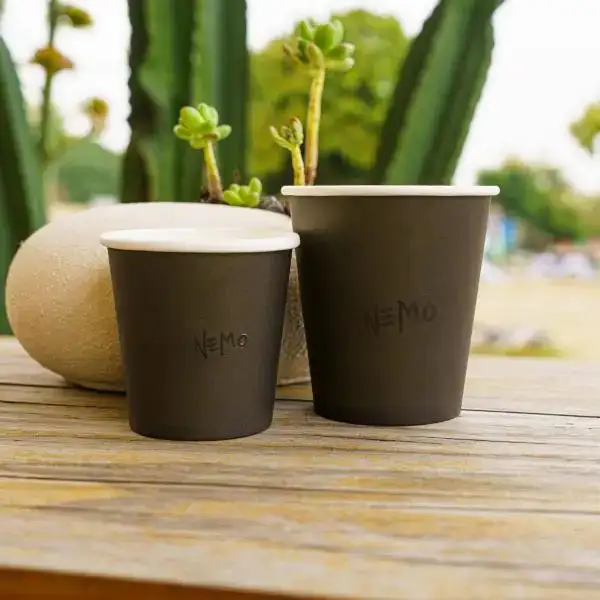
コーヒー紙カップは使い捨ての飲み物容器としての役割を担っています. また、テイクアウトのパッケージやカフェのモバイルブランドディスプレイとしても機能します, 役職, イベントと配信サービス.
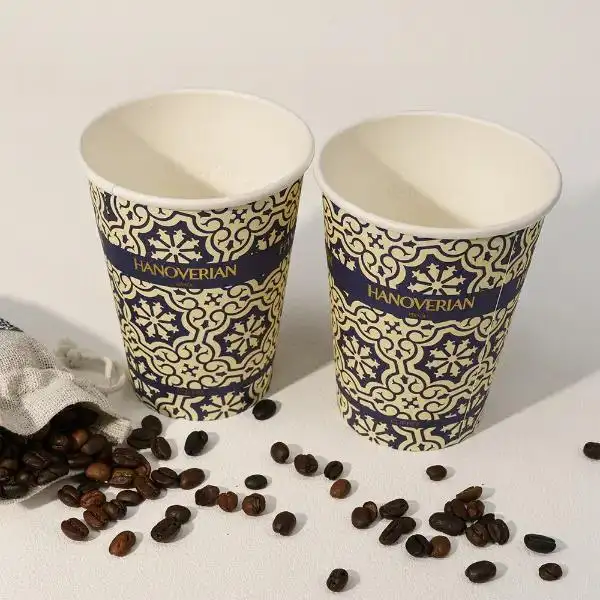
購入者は印刷技術が注文数に合っているか確認しなければなりません, カップが正確なブランド色で印刷できるか確認してください, また、卸売コーヒー用紙コップを調達する際の提供温度に合ったカップ構造が適切かどうかを判断します. アートワークも曲線のカップ面に合わせて調整する必要があります, カスタマイズのレベルは商業的に実用的であるべきです.
したがって、購入者は印刷を評価するべきです, カラーコントロール, カップの構造, 注文数量とパッケージング要件を一つの完全な仕様としてまとめてまとめました.
コーヒー紙カップのカスタマイズは何ができるか?
カスタマイズはカップの前面にロゴを付けるだけにとどまりません. 卸売コーヒー紙コップのプロジェクトではカップ容量が問題になることがあります, 壁の建設, ベースカラー, アートワークのカバレッジ, 表面外観と二次包装.
| カスタム機能 | 一般的な選択肢 | 購入者が確認すべきこと |
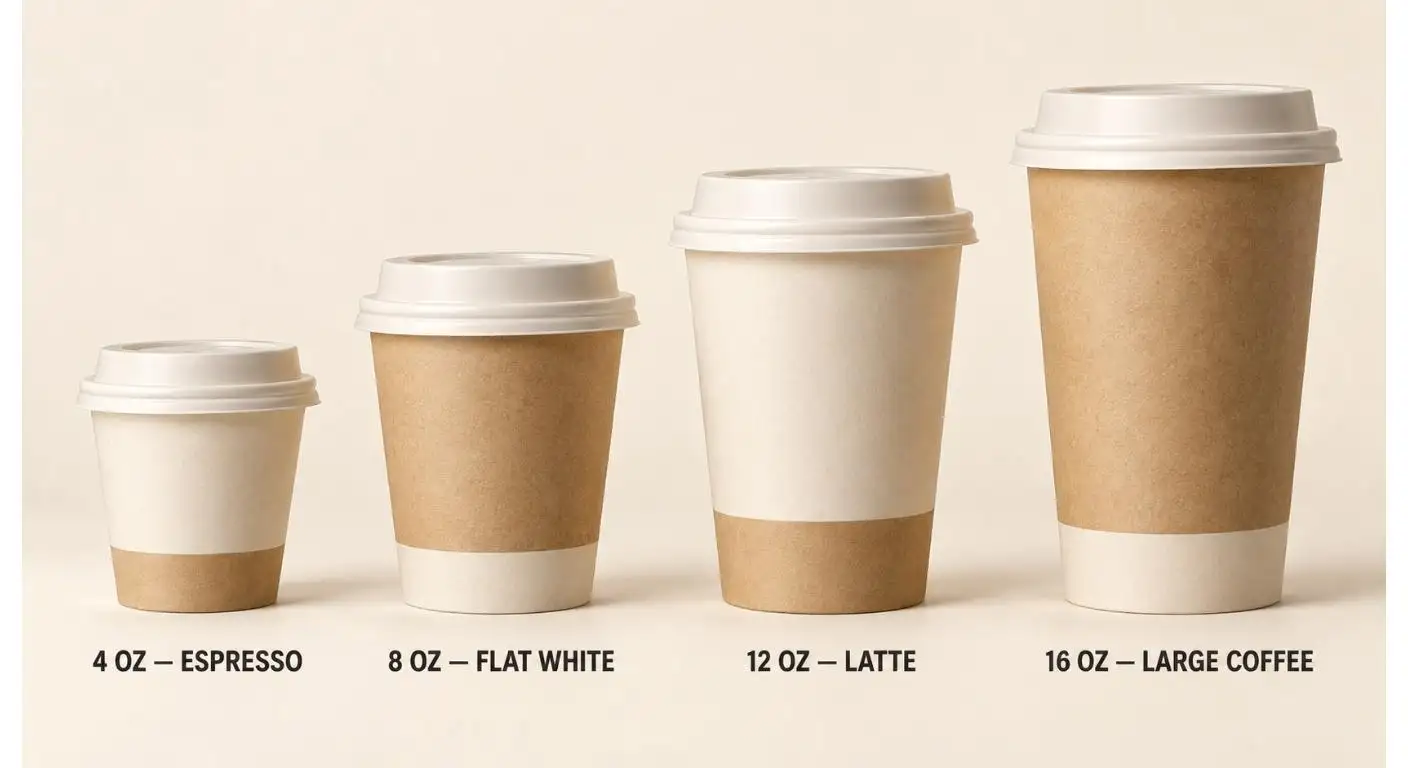
| カップサイズ | 4 オズ, 8 オズ, 12 オズ, 16 オズおよびその他の能力 | 飲み物の容量と蓋の互換性 |
| 壁の構造 | 単壁, 二重壁またはリップル壁 | 断熱要件と予算 |
| ベース外観 | 白い, クラフトまたは完全印刷の背景 | ブランドスタイルと色再現 |
| アートワーク | ロゴ, グラフィックス, テキストまたは製品情報 | 印刷可能面積と曲面歪み |
| 表面効果 | マット, 光沢や選ばれたビジュアル仕上げ | 素材と生産の互換性 |
| 梱包 | 標準カートン, 分割パックやブランド入りカートン | 流通および店舗配送の要件 |
印刷方法を選択する前に、完全な仕様を確立しておくべきです. 詳細な設計では、ドリンクやサービス環境に適さないカップ構造を補うことはできません.
コーヒー紙カップの印刷オプション
最適な印刷方法は注文数によって異なります, 設計の複雑さ, 繰り返し注文の頻度と必要なアートワークバージョン数.
フレキソグラフィック印刷
フレキソ印刷は安定した媒体に一般的に使われます- そして大量注文. 特に色数が限られた標準化されたデザインに適しています.
主な特徴は以下の通りです:
・印刷版は通常必要です.
・単位印刷コストは大量生産で効率化されます.
・確立されたカップ設計の再生産をサポートします.
・カフェチェーンに適しています, ディストリビューターおよび継続的な供給プログラム.
オフセット印刷
オフセット印刷は精巧なグラフィックと非常に精密な色制御を実現しています. 細かい線や色のグラデーション、または広範なカラーカバーが必要な複雑なイラストを含むデザインにはこの方法を検討してください.
最終的な印刷方法の適合性は紙の構造によって決まります, コーティング, カップ成形法, および食品包装の意図された使用要件. 購入者は、印刷画像の品質だけでオフセット印刷を選ぶのではなく、制作ルート全体を検証しなければなりません.
デジタル印刷
デジタル印刷は小規模な注文の印刷や、頻繁に作品の変更が必要なプロジェクトに最適です. デジタル印刷は以下に最適です。:
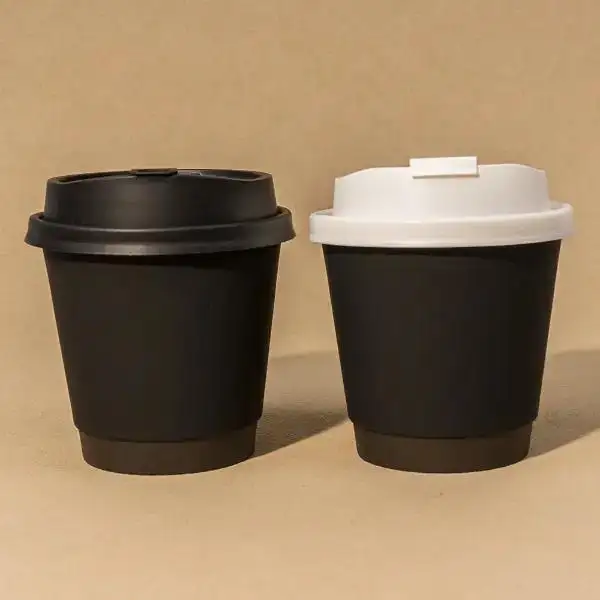
プロモーションイベント
・各店舗のユニークなデザイン
・製品の発売
・市場調査
・小量印刷
• 複数の在庫管理ユニットを同一の購入プログラムに収容できるよう設計されています
印刷方法
| フレキソグラフィック | オフセット | デジタル |
| 中〜高 | 中〜高 | 小規模から中型 |
| 必須 | 通常は必須です | 通常は必須ではありません |
| 中程度から良好 | よし | よし |
| 下 | 下 | より高い |
| より大きな繰り返し注文 | 工程や量によります | 短期間生産と複数デザイン |
| チェーンと長期プログラム | 詳細なブランドグラフィック | イベント, 試作と限定版 |
他の多くの製品と同様に, 卸売コーヒー紙カップの印刷は通常、複数の選択肢を含みます. 大量注文の場合, 他の印刷技術の方がよりコスト効率が良い場合もあります. しかし, 大量注文にはデジタル印刷がより柔軟な選択肢です.
カスタム紙コップのブランドカラーの制御
色は各基質上で必ずしも同じように見えるわけではありません. 異なる書類と背景, そしてコーティングやインクも, 見た目に影響を与える.
覚えておくべきことは以下の通りです:
1. CMYK印刷: この印刷スタイルは、グラデーションのあるカラー画像に最も適しています.
2. スポットカラー: これはターゲットブランドの色を確実に満たす最良の方法です.
3. 資料の背景: 美的な違いや全体的な認識の違いは、クラフトペーパーと白い背景によって表現されています.
4. デジタルスクリーン: デジタルスクリーン上の色は、印刷されたカップの最終的な色として信用できません.
5. サンプリング: デジタル校正は最終的なものとみなされます. 材料の選択を確認し、色を試すためにはサンプル採取が非常に重要です.
6. 再発命令: 承認されたサンプルやカラーリファレンスは、今後の生産のために保管されます.
YPAKが作品をレビューします, 色の参考資料やプリプロダクションサンプルを提供し、購入者が選んだ紙の構造上でブランド色がどのように見えるかを理解できるようにします. しかし, 紙同士で合理的な許容差が生じることもあります, インクと生産バッチ.
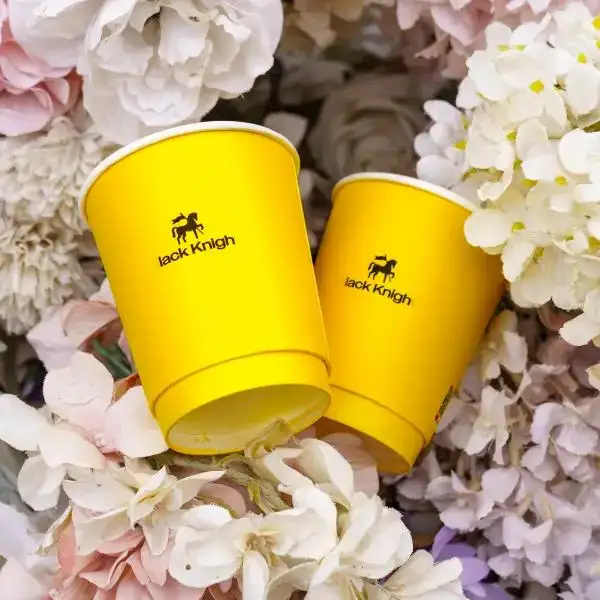
シングルウォールカップ vs ダブルウォールカップ vs リップルウォールカップ
正しい壁構造を選ぶことは、印刷方法を選ぶのと同じくらい重要です.
| 特徴 | シングルウォールカップ | ダブルウォールカップ | リップルウォールカップ |
| 断熱 | 下 | より高い | より高い |
| スリーブの要件 | 温かい飲み物にはよく必要です | あまり頻繁には必要ありません | あまり頻繁には必要ありません |
| 印刷面 | スムーズ | 滑らかな外壁 | リップル設計によります |
| 材料の使用 | 下 | より高い | より高い |
| 相対コスト | 下 | 中〜高 | 中〜高 |
| 典型的な用途 | 冷たい飲み物, 温かい飲み物と短時間のサービス | ホットコーヒーとブランドのカフェサービス | 断熱性とグリップが必要な熱い飲み物 |
シングルウォールカップはコスト管理にも役立ちます, コンパクトな収納と効率的な積み重ね. 二重壁カップは断熱性を高めつつ、印刷時に比較的滑らかな外観を維持します. リップルウォールカップは手と熱い飲み物の間にさらなる分離を提供します, テクスチャーのある構造は作品の表現に影響を与えることがあります.
最も厚い選択肢が必ずしも最良とは限りません. 卸売のコーヒーペーパーカップを購入する方は、カートンの容量も評価すべきです, 保管スペース, カップディスペンサーの互換性と最終市場の価格期待.
基本的なロゴ印刷からフルブランドパッケージまで
カスタマイズは複数のレベルで開発可能です.
| カスタマイズレベル | 基本 | 標準ブランドプログラム | 完全パッケージングシステム |
| カップデザイン | 単色ロゴ | 多色またはフルエリアデザイン | 調整製品シリーズ |
| カップサイズ | ワンサイズ | いくつかの一般的なサイズ | 複数のサイズとドリンクカテゴリー |
| 小物 | ジェネリックか無か | リーズ, スリーブとスターラー | カップ, リーズ, 袪, 袋とテイクアウトの箱 |
| カラーマネジメント | 基本参考文献 | 承認されたブランドカラー | クロス積色配位 |
| 適切な買い手 | スタートアップとイベントプロジェクト | 確立されたコーヒーブランド | チェーンおよび包装販売業者 |
| 管理の複雑さ | 低い | 中程度 | 高い |
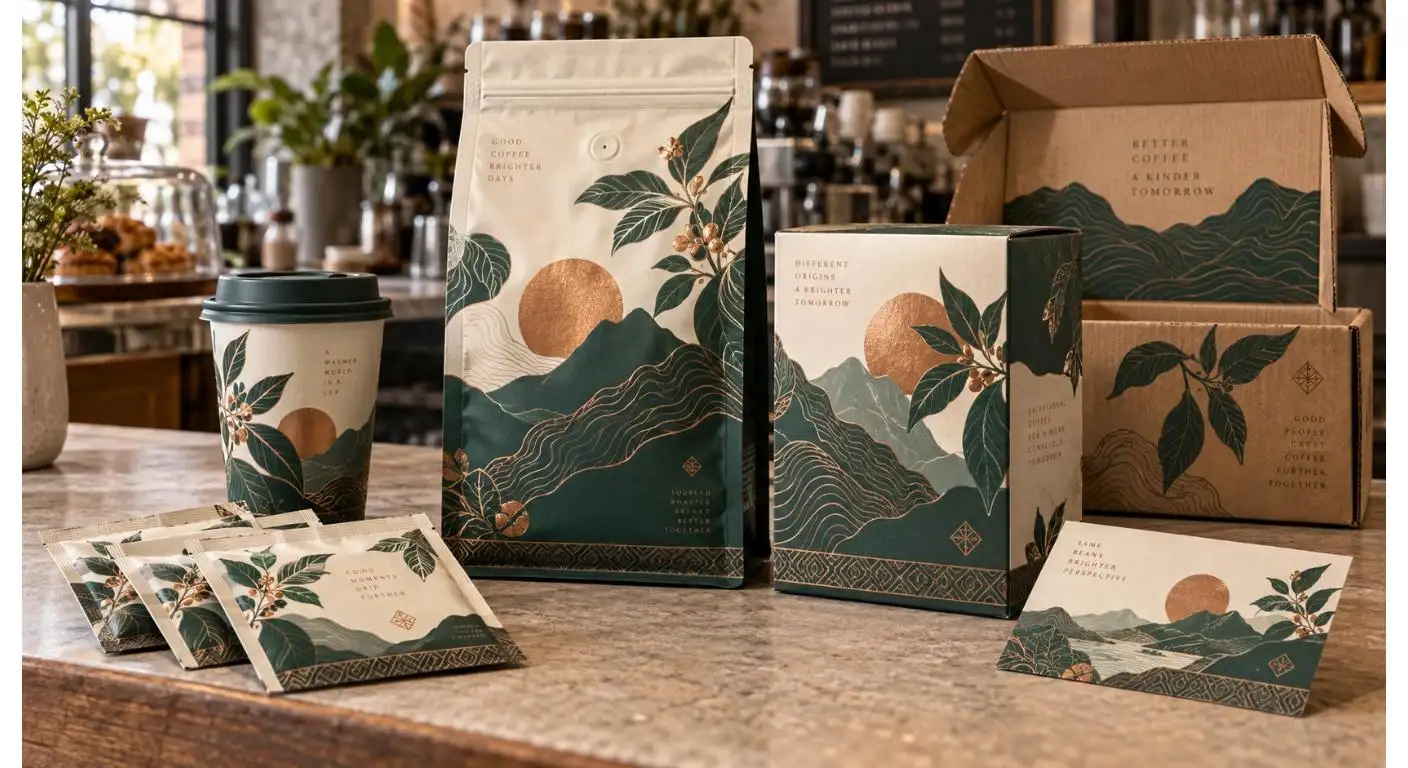
コストとスピードが最優先の場合、基本的なロゴ印刷は適しています. 標準的なブランドプログラムは、複数のカップサイズでより一貫した見た目を実現します. 統合型パッケージソリューションはカップで構成されています, コーヒーバッグ, 袪, 袋と箱.
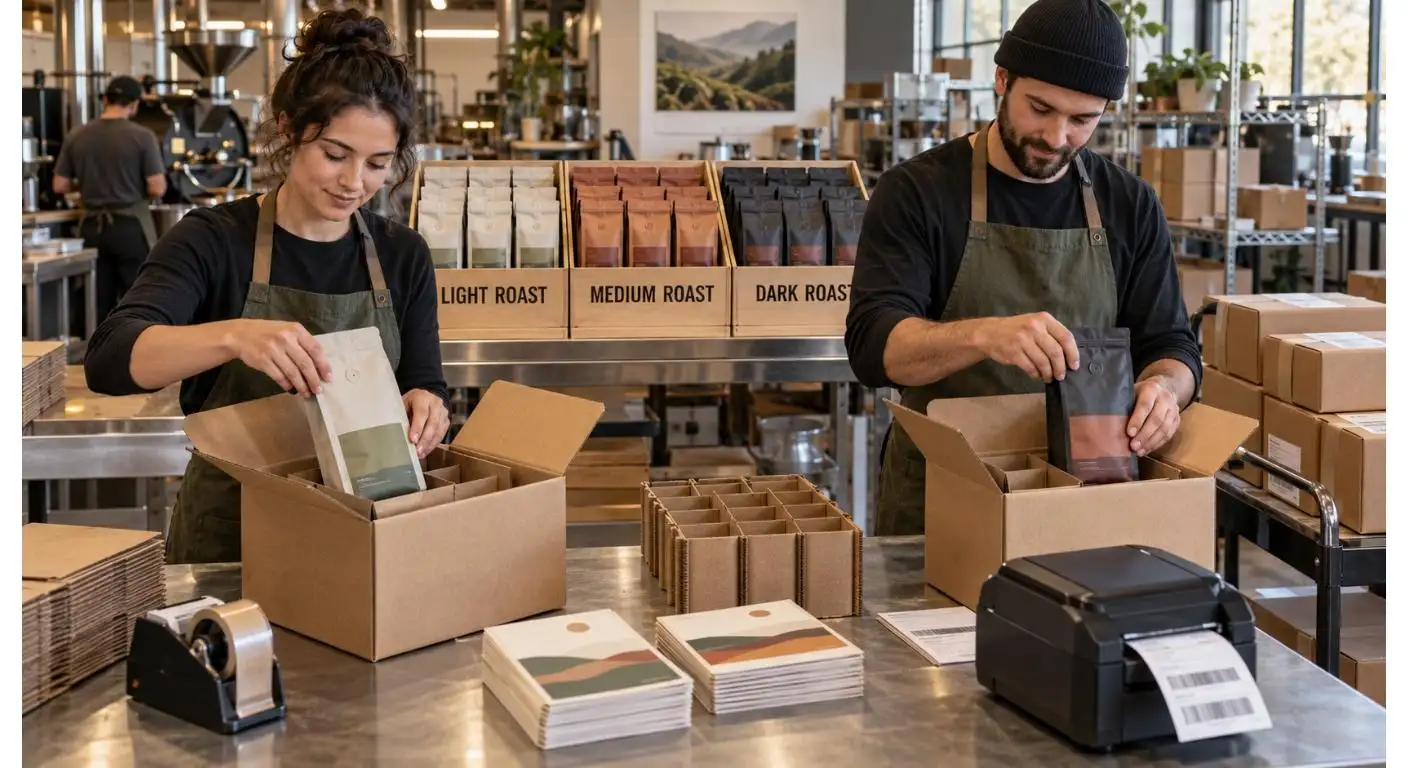
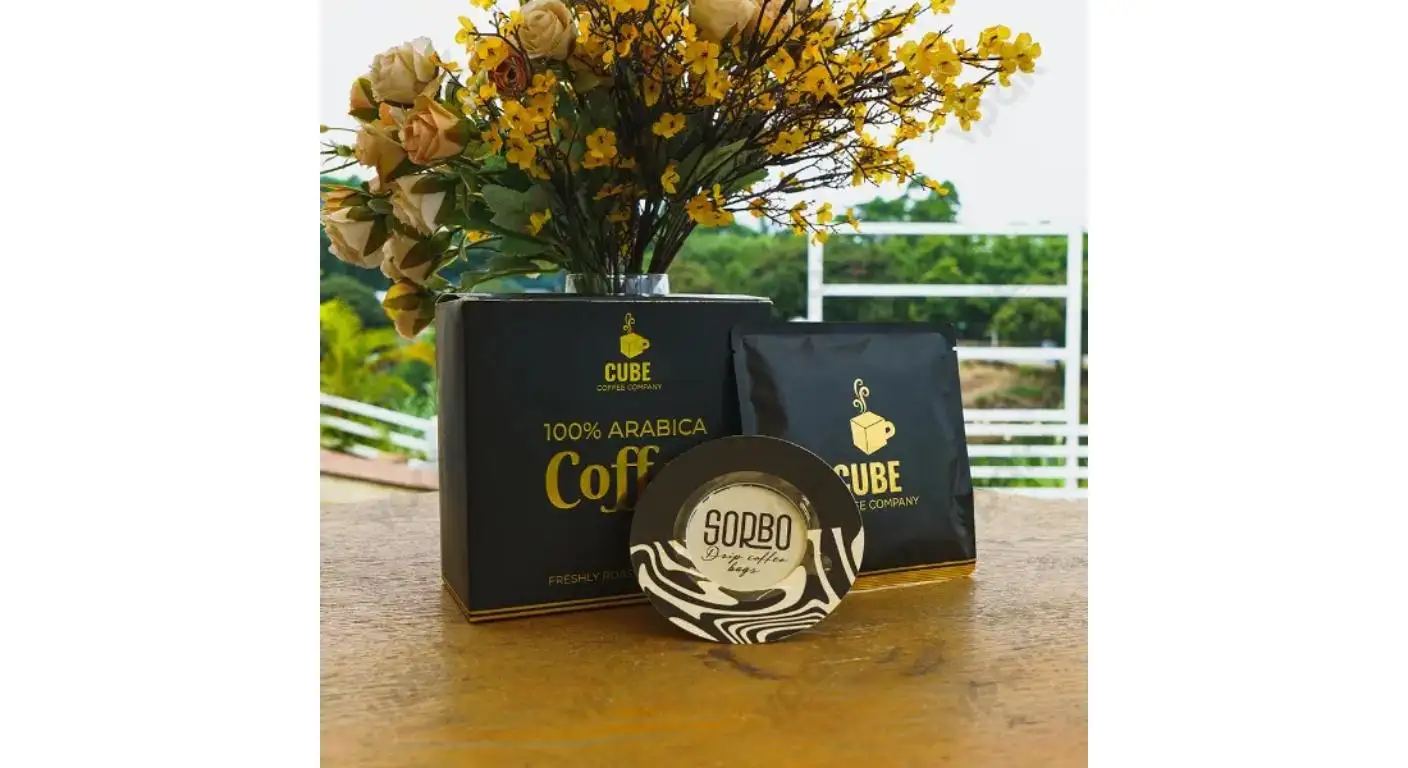
YPAKは、紙コップを他のコーヒーパッケージと合わせたい購入者をサポートします. 統一された仕様書を進めることで、作品間の差異を減らすことができます, 色彩の参照, 複数のサプライヤーにまたがる包装寸法と納品計画.
カップ印刷用のアートワークの準備方法
紙コップは長方形ではなくテーパー状です. 平らなテンプレートに置かれたアートは、カップが形成されると位置が変わります, したがって、標準的な長方形設計ファイルは調整なしで使用すべきではありません.
買い手は準備をしておくべきです:
・ベクター形式のロゴとグラフィックス
•アウトライン付きまたは埋め込みフォント
•定義されたCMYKまたはスポットカラーの参照
•正しいカップテンプレート
・出血および安全エリア
・最小バーコードまたはQRコードサイズ
・側面の縫い目の近くのアートワーク位置が確認されました
・各カップサイズごとに別々のファイル
重要なロゴやテキストは継ぎ目から離しておくべきです, カップリムと底面部分. 最終的な作品レビューは、プレート作成や大量生産の前に完了すべきです.
YPAKの卸売コーヒー紙コップに対する戦略的アプローチ
卸売コーヒー用紙コップの構造タイプを決めるために (単壁, 二重壁, またはリップルウォール), YPAKは飲料の種類を考慮します, カップサイズ, 提供される温度, そして販売チャネル.
最後のステップは、設計のブリードチェックです, 安全ライン, 縫い目の配置, 歪みも含めて. 注文の大きさや出品頻度によって、どの印刷方法が最も適しているかが決まります.
提案されたカップのサンプルは、本格的なランの前に評価に利用できます:
・実際の容量
・蓋との互換性
•剛性とグリップ
・断熱
・梱包仕様とコーヒーバッグとのフィット感
これにより設計は生産準備が整い、生産仕様の決定に役立ちます.
カフェや小売・流通ブランド向けの卸売コーヒー紙カップに興味がありますか?? カップサイズの判断を手伝うにはYPAKにお問い合わせください, 壁の種類, 印刷, あなたのブランドの色, そして注文の大きさ. 私たちのチームは、アートワークのレビューや、生産前のコーヒーパッケージの試食や調整のサポートをいたします.
よくある質問
Q1. カスタム印刷に推奨されるファイル形式は何ですか?
私たちはベクターフォーマットを好みます. これにはAIなどのファイル形式も含まれます, EPS, および編集可能なPDF. ロゴは高解像度で、輪郭付きの文字でなければなりません. カラー, 出血, 安全区域の表示も必要です.
第2四半期. 卸売コーヒー用紙カップのサイズは何種類ですか??
4 オズ, 8 オズ, 12 オズと 16 オズサイズが一般的な商品です. 理想的なカップサイズは、サービングサイズによって異なります, 蓋のサイズ, サービス方法やターゲット市場.
Q3. シングルウォールとダブルウォールコーヒーカップの違いは何ですか?
シングルウォールカップは素材を少なく使い、収納もしやすいです, ただし、温かい飲み物にはスリーブの使用が必要になる場合があります. ダブルウォールカップは断熱性が高く、持ち心地も良いです.
Q4. カスタムコーヒー用紙カップの最適な印刷技術は何ですか??
フレックスグラフィーやオフセット印刷法は、安定した大量注文に適しています. デジタルは短時間の放送に最適です, 例えば、慣習, 季節的な, または多様なアートワーク.
Q5. YPAKはカスタムロゴやブランドカラーを印刷できますか?
YPAKはロゴの印刷だけでなく、CMYKやPantoneのカラーを含むブランドガイドラインに従い、フルカバレッジや特定エリアの印刷も可能です. 最終的な色は異なる場合があり、校正やサンプルで確認する必要があります.
脚本
ypak.coffee(イパク・コーヒー)
イパク
YPAKパッケージンググループは 2011 そして 3 香港に拠点を置く企業, 東莞と佛山. 私たちは中国最大級のコーヒーバッグメーカーの一つになりました. 私たちはスイス製の最高品質のWIPFバルブを使用して、コーヒーを新鮮に保ちます.
多くの国で課されているプラスチック禁止政策に適合すること, 持続可能な包装袋の研究と開発を行ってきました, リサイクル可能・堆肥化可能なポーチなど.
最低量はない, HP 25K INDIGOデジタルプリントサービスではカラープレートは不要です.
YPAKへの訪問は歓迎します.