

更新 3 月 以前に
ミカエル・ポルタニエ (2025 世界コーヒー焙煎チャンピオン): なぜ専門知識だけでブランドを築くわけではないのか
ypak.coffee(イパク・コーヒー)
YPAKパッケージンググループは 2011 そして 3 香港に拠点を置く企業, 東莞と佛山. 私たちは中国最大級のコーヒーバッグメーカーの一つになりました. 私たちはスイス製の最高品質のWIPFバルブを使用して、コーヒーを新鮮に保ちます.
多くの国で課されているプラスチック禁止政策に適合すること, 持続可能な包装袋の研究と開発を行ってきました, リサイクル可能・堆肥化可能なポーチなど.
最低量はない, HP 25K INDIGOデジタルプリントサービスではカラープレートは不要です.
YPAKへの訪問は歓迎します.
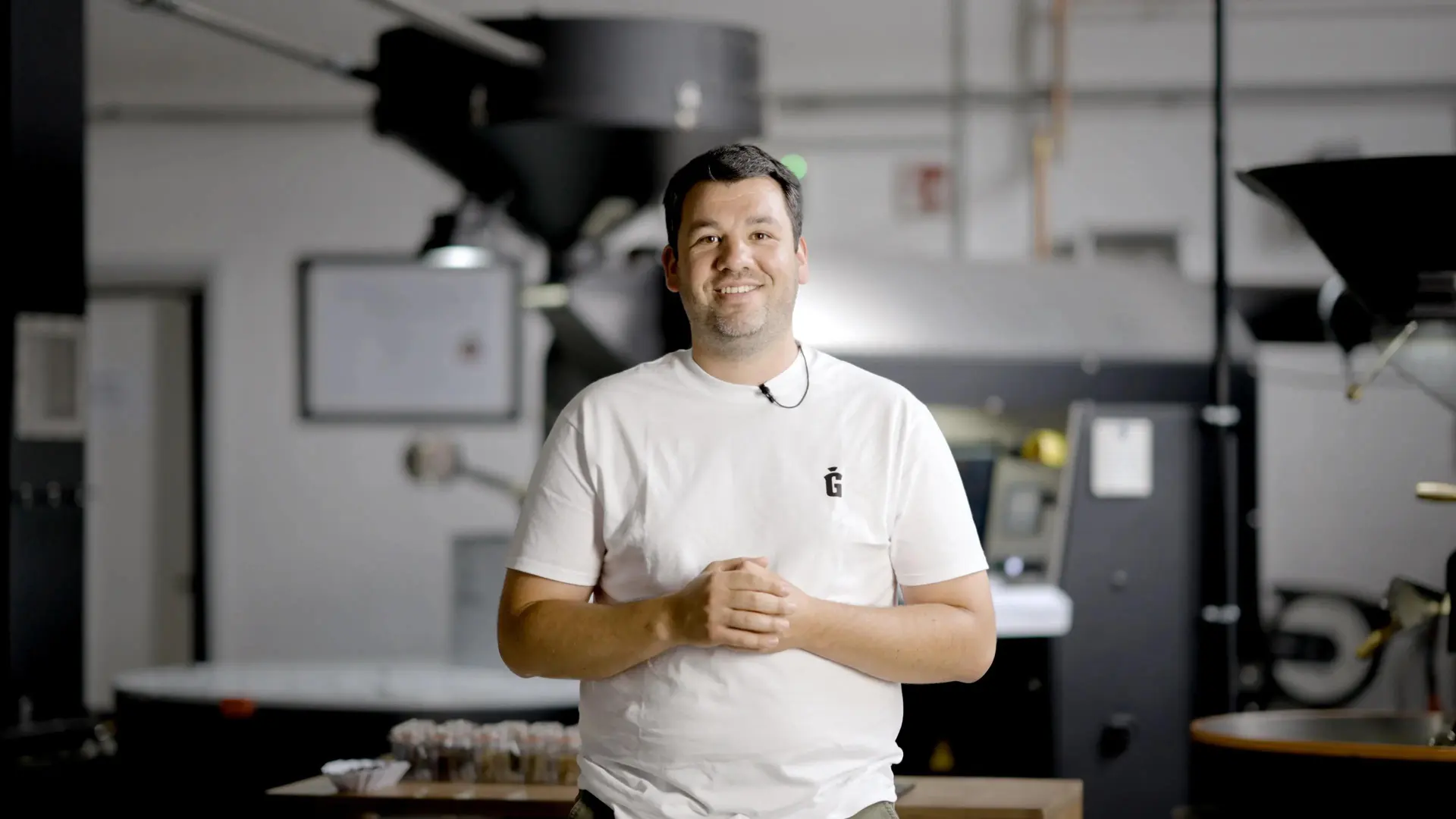
コーヒー焙煎チャンピオン
本当の課題は、美味しいコーヒーを作ることではありません. なぜそれが重要なのか、人々に理解してもらう助けとなっています.
チャンピオンプロフィール
名前: ミカエル・ポルタニエ
国: フランス
競技: 世界コーヒー焙煎選手権
年: 2025
チャンピオンタイプ: ロースター創業者
ブランド: 小包
知られる: 焙煎の専門知識を消費者向けコーヒーブランドへと変える
シリーズ: コーヒーのチャンピオンたち
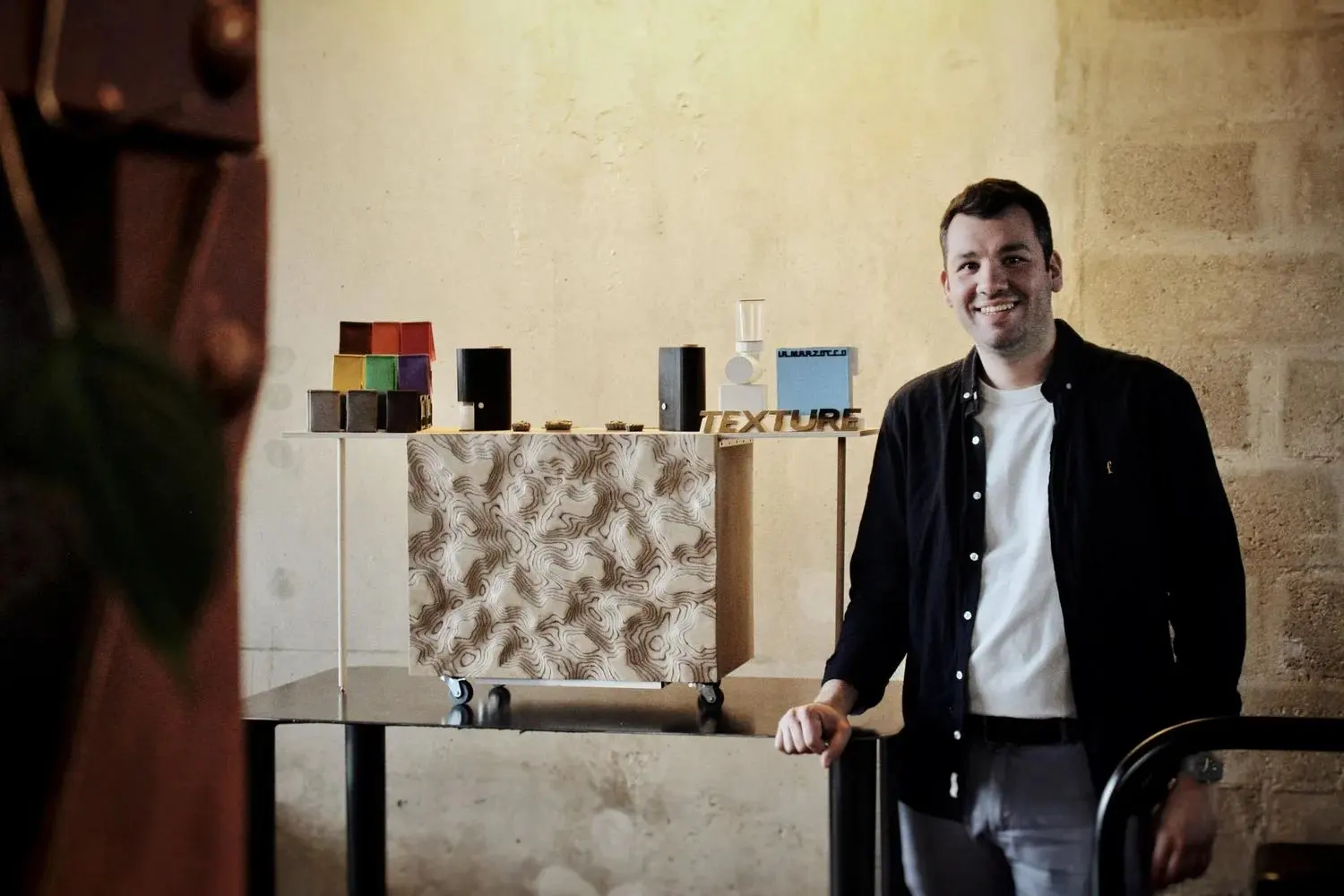
なぜ多くの熟練したコーヒー専門家は成功したブランドを築けないのでしょうか?
スペシャルティコーヒー業界には才能ある人材が溢れています.
優れたバリスタたち.
経験豊富なロースター.
高度に訓練された感覚専門家.
そして毎年, 国際舞台に新たなチャンピオンが登場.
しかし、消費者が本当に覚えているコーヒーブランドの数は驚くほど少ないままです.
その理由は、専門知識の不足ではないことがほとんどです.
もっと頻繁に, 翻訳の欠如です.
コーヒーが得意であることと、成功するブランドを築くことは全く異なることです.
優れたコーヒーを焙煎することができます.
起源は理解できます, 加工, そして深いレベルでの味わい.
しかし、それでも顧客がなぜあなたのコーヒーが重要か理解できる保証はありません.
これがミカエル・ポルタニエの物語を検証する価値がある理由です.
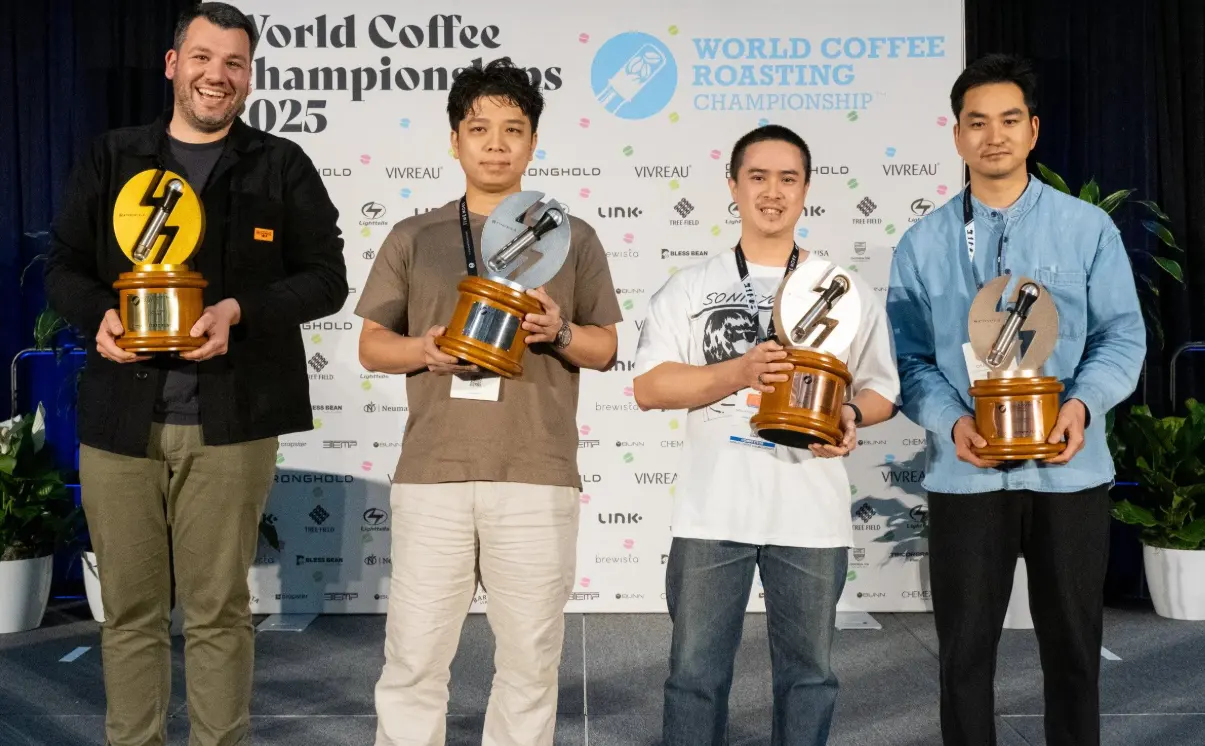
彼の功績は単に 2025 世界コーヒー焙煎チャンピオン.
それは、多くのコーヒー専門家が最終的に直面する同じ課題に直面したということです:専門知識を人々に理解できるものに変えるにはどうすればいいでしょうか, つながり, そして最終的に購入を選択する?
本当の挑戦は勝利後に始まります
多くの人は世界選手権をコーヒーキャリアの最高の瞬間と考えています.
実際には, それはしばしば異なる旅の始まりを示します.
審査員はロースト理論を理解しています.
彼らは抽出を理解しています.
彼らは開発時間を理解しています, グリーンコーヒーのセレクション, および感覚評価.
消費者は通常そうしません.
そして、そうする必要もないはずがない.
ほとんどのお客様は焙煎曲線を理解しているからコーヒーを買いません.
彼らはブランドを信頼しているからコーヒーを買います, 体験を楽しんでください, あるいは物語とつながる.
これは多くのチャンピオンが最終的に直面する課題です.
より良いコーヒーの淹れ方ではなく。しかし、競技の世界以外の人々にとって、その知識を意味のあるものにするにはどうすればよいか.
なぜ専門知識だけでブランドは作れないのか
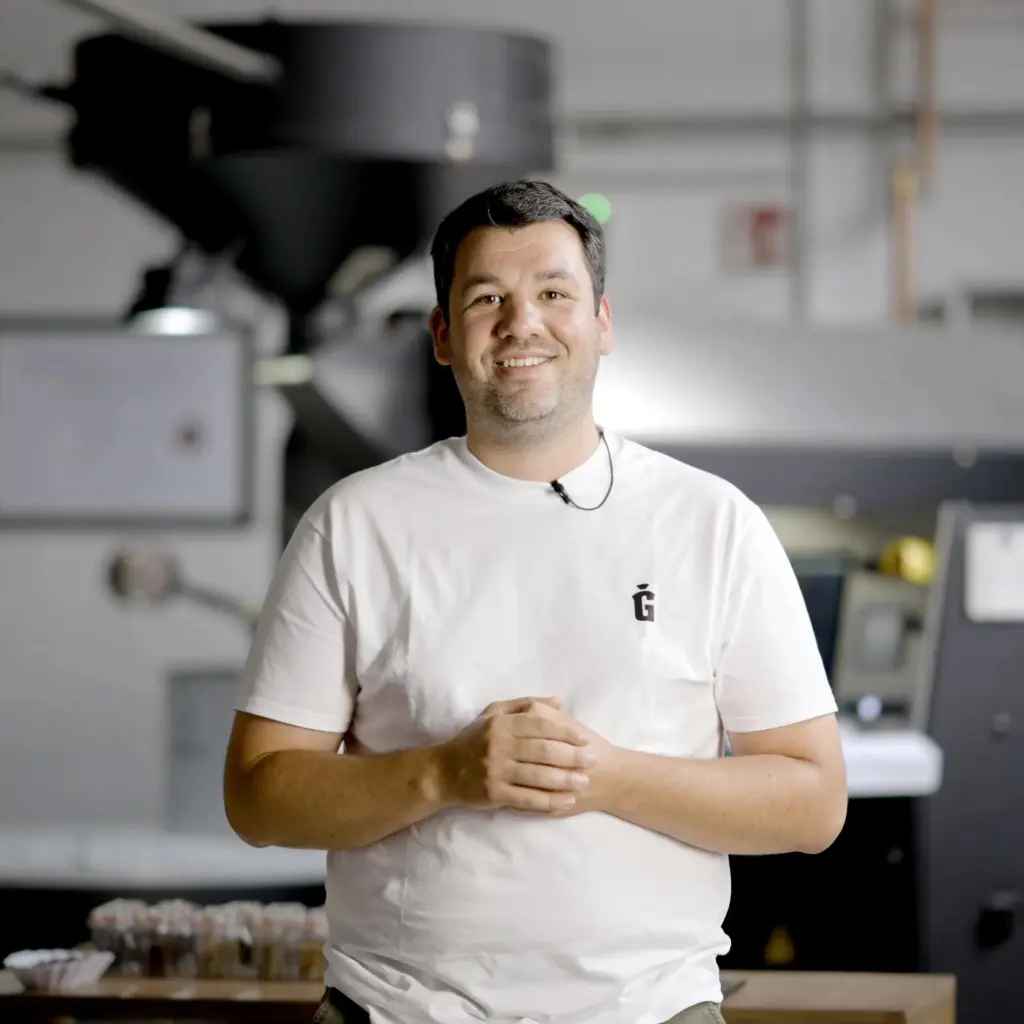
消費者は、優れたコーヒーを作るためにかかる多くの労力を見ることができません.
彼らは見えない:
- 焙煎プロファイル
- 生産ログ
- カッピングノート
- 発展曲線
彼らが経験するのはもっと単純なものです.
彼らは見ている:
- 製品について
- パッケージ
- ビジュアル・アイデンティティ
- 購入体験
- ブランドについて
だからこそ、ブランディングは単なるマーケティングの手段ではありません.
これは翻訳作業です.
その目的は、複雑な専門知識を人々がすぐに理解できるものに変えることです.
多くの才能あるコーヒー専門家が苦労しているのは、コーヒーの品質が劣っているからではありません.
市場が彼らの作品の特別なものを十分に理解できないため、彼らが苦戦している.
PARCELが本当に売っているものは何でしょうか?
一見すると, PARCELはスペシャルティコーヒーの焙煎所のように見えます.
でもその下は, もっと興味深い何かを表しています.
それはコーヒーについて考える一つの方法を表しています.
ブランドは三つのシンプルな原則に基づいて構築されています:
- リスペクト オリジン
- 意図を持ってロースト
- コーヒーに表現させて
これらの考えは一見単純に聞こえるかもしれません.
しかし、アイデアだけでブランドを作ることはできません.
消費者は哲学を購入できません.
彼らは体験を購入します.
PARCELが特に得意としているのは、これらの原則を人々が関わりやすい製品に翻訳することです.
コーヒーは哲学の表現となります。単なる説明の手段ではありません.
アイデアと製品のギャップ
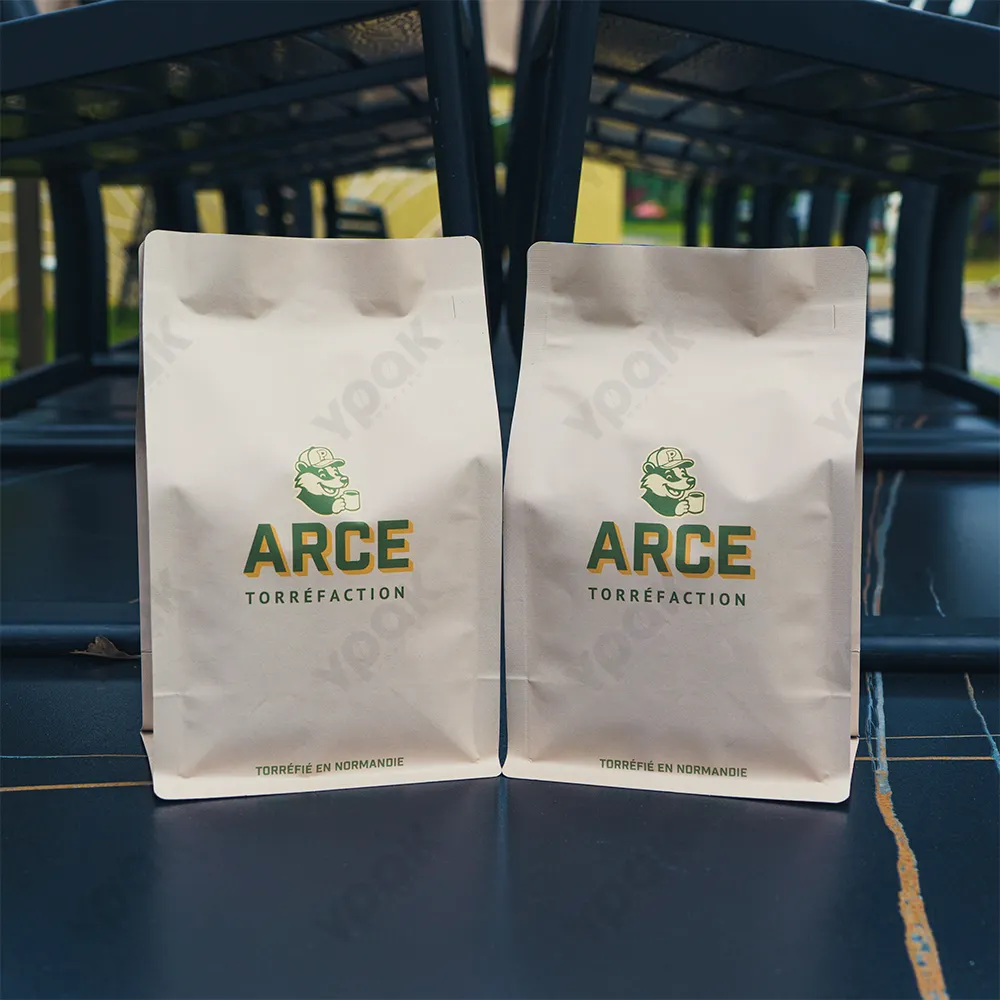
多くのコーヒーブランドは強いアイデアから始まります.
そのアイデアを成功する製品に変えるのははるかに少ないです.
コンセプトと市場の間には長いプロセスがあります:
- 製品開発
- パッケージングの決定
- 市場試験
- 顧客からのフィードバック
- 継続的な精緻化
ここで多くの有望なプロジェクトが勢いを失う.
課題は情熱の欠如であることはほとんどありません.
それは、アイデアを具体的なものに変える能力です.
PARCELのために, チャンピオンシップ獲得は信頼性をもたらしました.
しかし、ブランドが前進する原動力となったのは、明確な哲学に基づいて製品を作る能力でした.
なぜ小ロット検査がスペシャルティコーヒーを変えているのか
新製品の発売にはかつて大きなコミットメントが必要でした.
今日, 多くのスペシャルティコーヒーブランドはそれぞれ異なる運営をしています.
彼らはテストをします.
彼らは学ぶ.
彼らは順応します.
このアプローチは、:
- 限定リリース
- コンペティションコーヒー
- 季節限定の提供
- 実験ロット
すぐに大量生産にコミットするのではなく, ブランドはますますアイデアを最初に検証することを好む傾向があります.
柔軟性は競争優位性となっています。迅速なテスト能力は、迅速にスケールできる能力よりも重要であることが多いです.
なぜ良い製品だけでは強いブランドを築けないのか
積はより大きなシステムの一部に過ぎません.
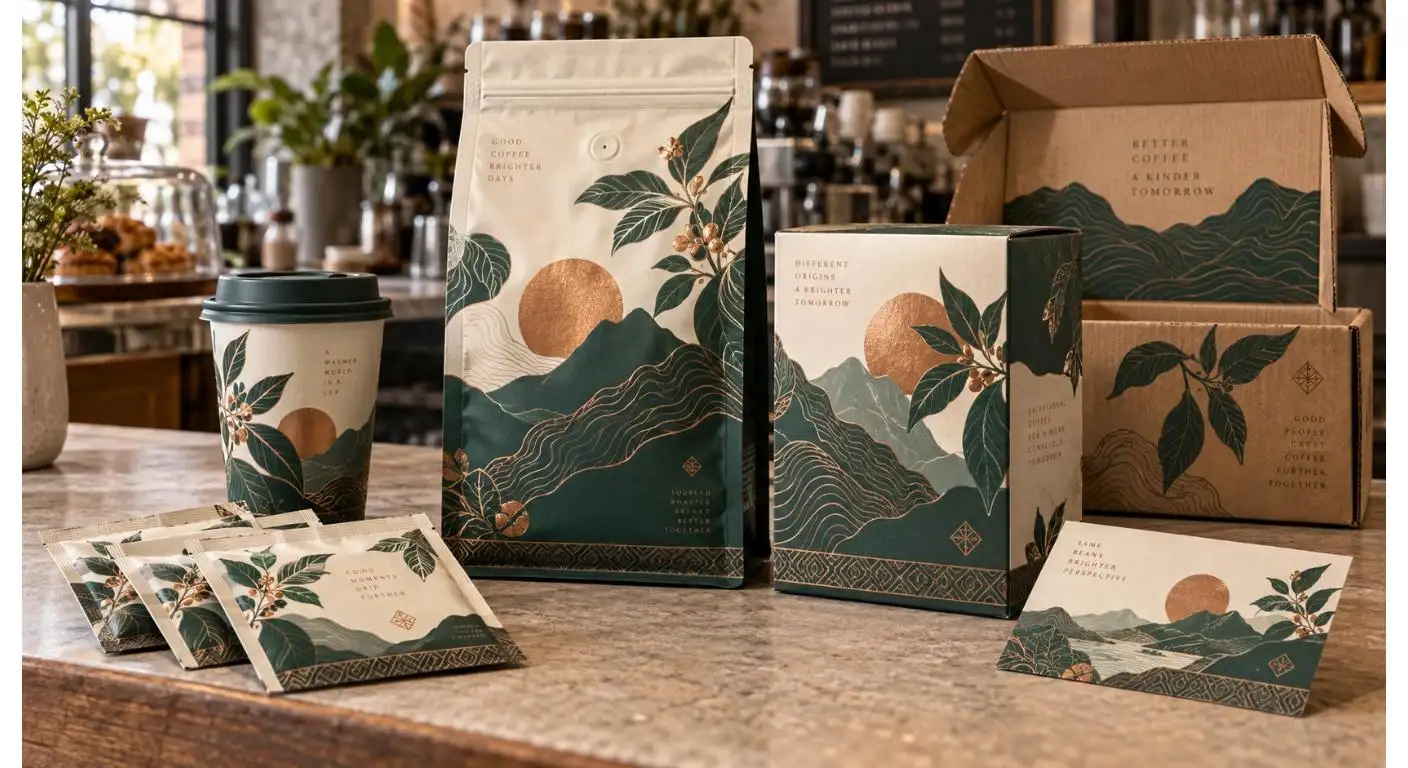
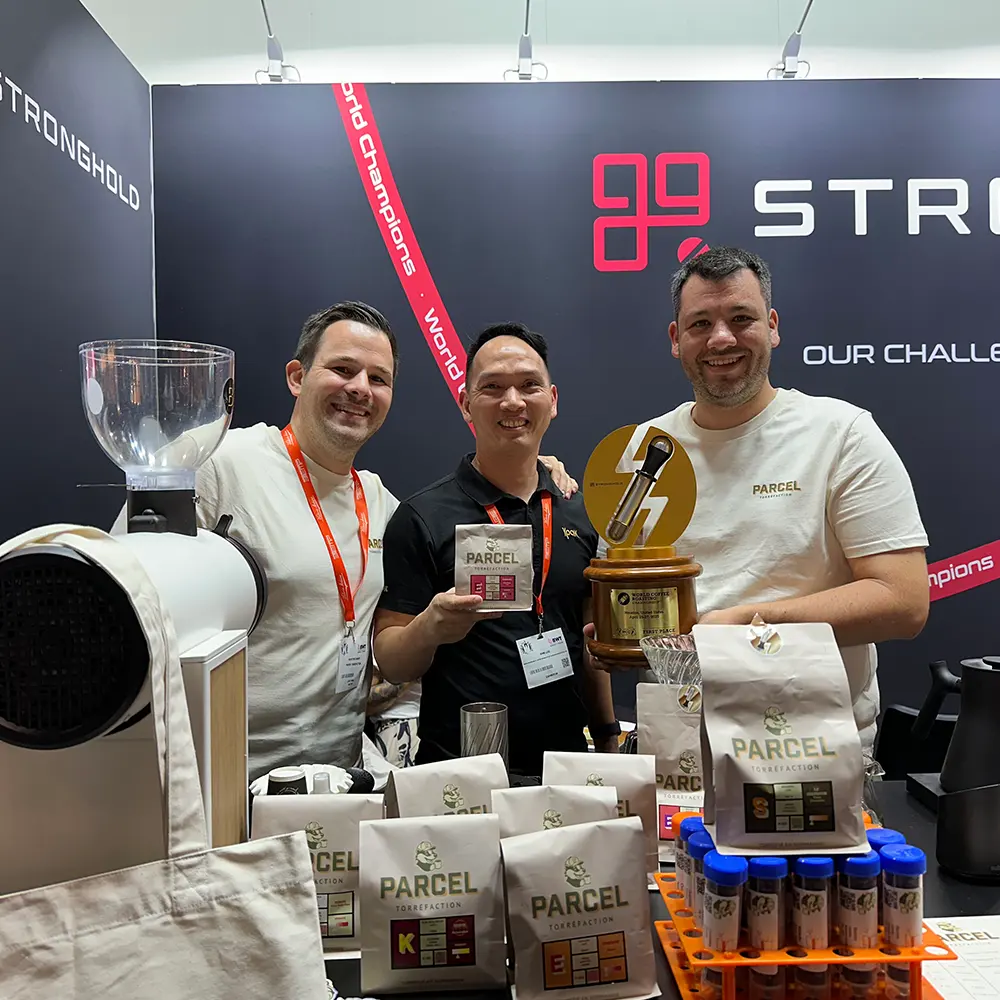
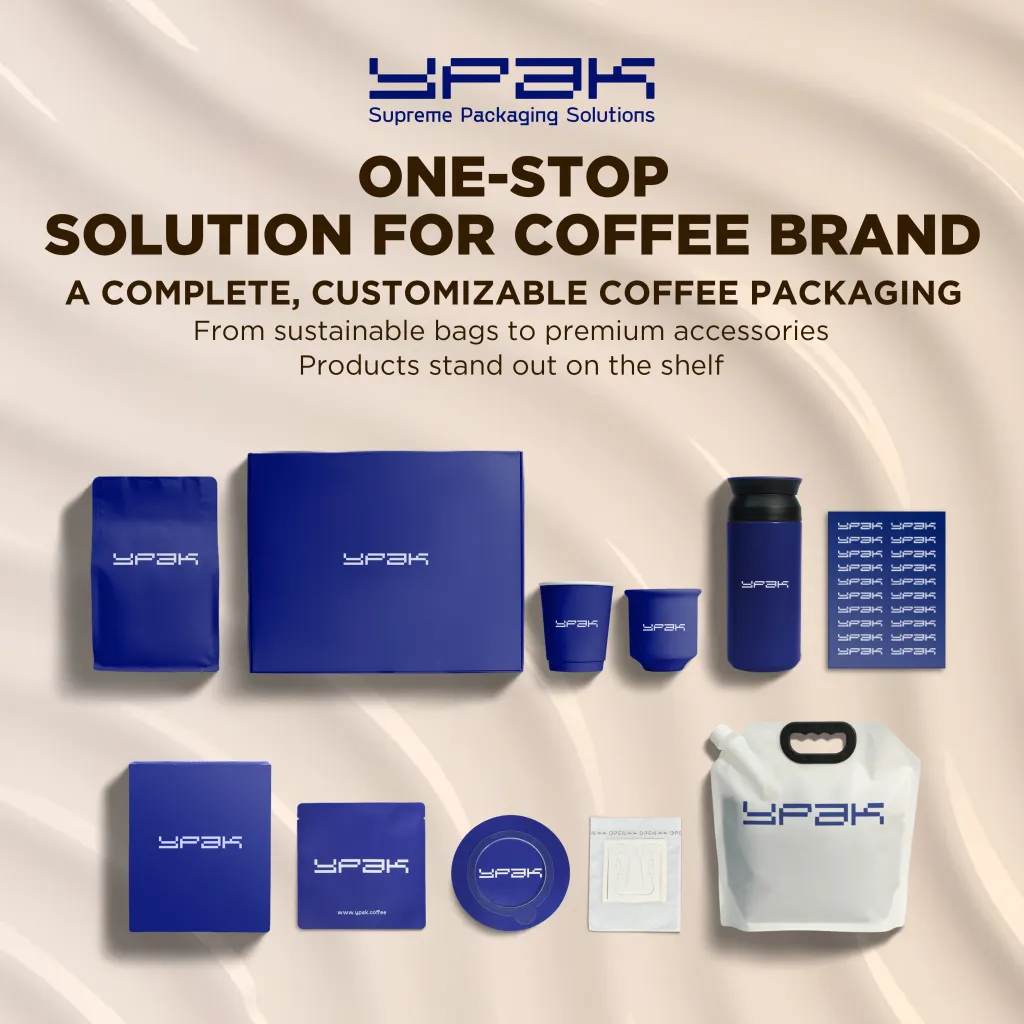
お客様はコーヒーバッグを単独で体験することは決してありません.
彼らはまるでブランド環境全体を体験しています.
コーヒー.
パッケージ.
レーベル.
ギフトボックス.
ドリップコーヒーレンジ.
カップ.
視覚言語.
一緒に, これらの要素がブランドの認識を形作ります.
多くのコーヒー店は優れた商品を提供しています.
彼らに欠けているのは、顧客体験全体における一貫性です.
そしてその一貫性がない, 成長が困難になる.
YPAKはこのプロセスでどのような役割を果たしているのか?
ほとんどの包装メーカーは包装の製造に注力しています.
ブランド構築のプロセスに参加する人はごくわずかです.
PARCELのような会社にとっては, 課題は単にバッグを作ることだけではありません.
課題はアイデアを製品に変えることです.
そしてその商品を体験に変えています.
そして最終的には、その体験を人々の記憶に残るブランドに変えることです.
ここでYPAKは価値を生み出す.
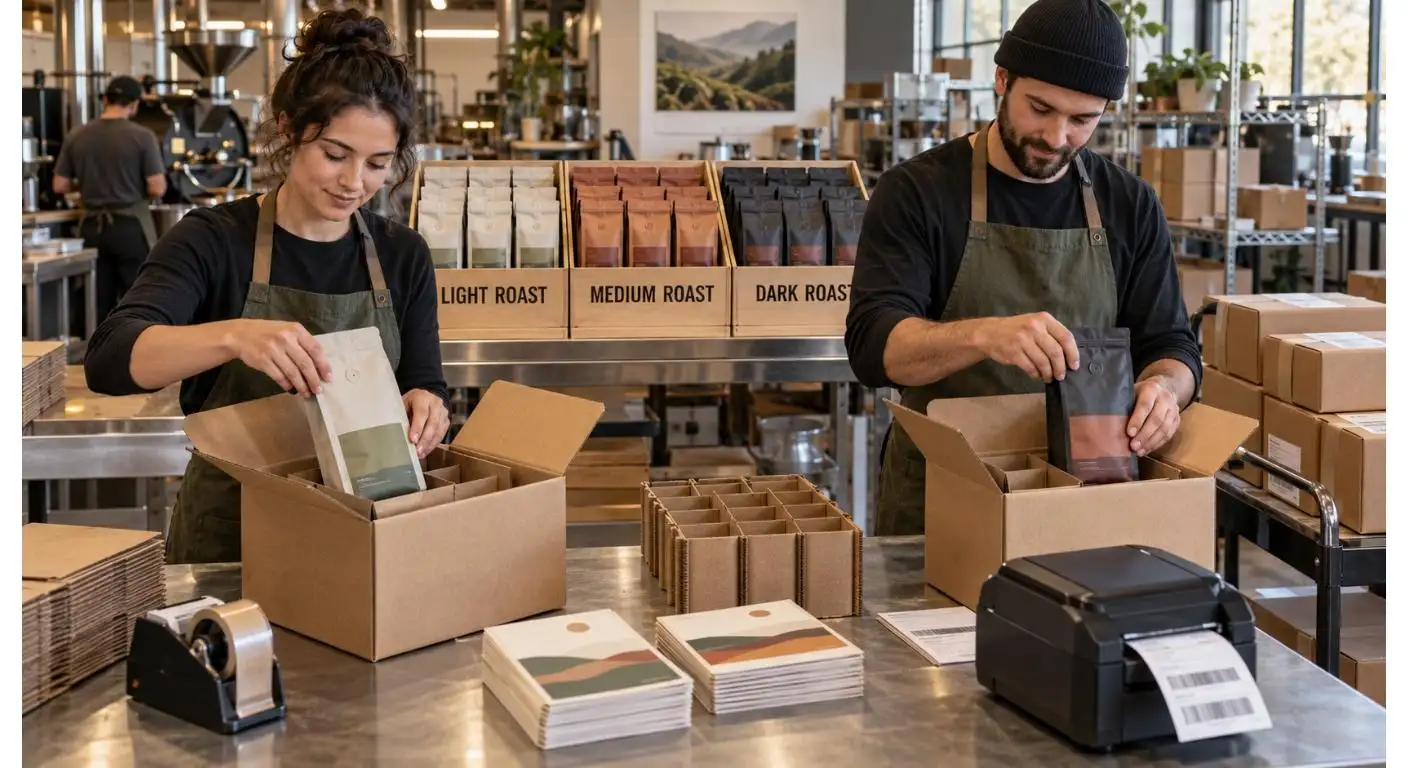
製造を超えて, YPAKはブランドを以下で支援しています。:
- パッケージデザイン
- デジタル印刷試験
- 小ロット市場試験
- コーヒーバッグの開発
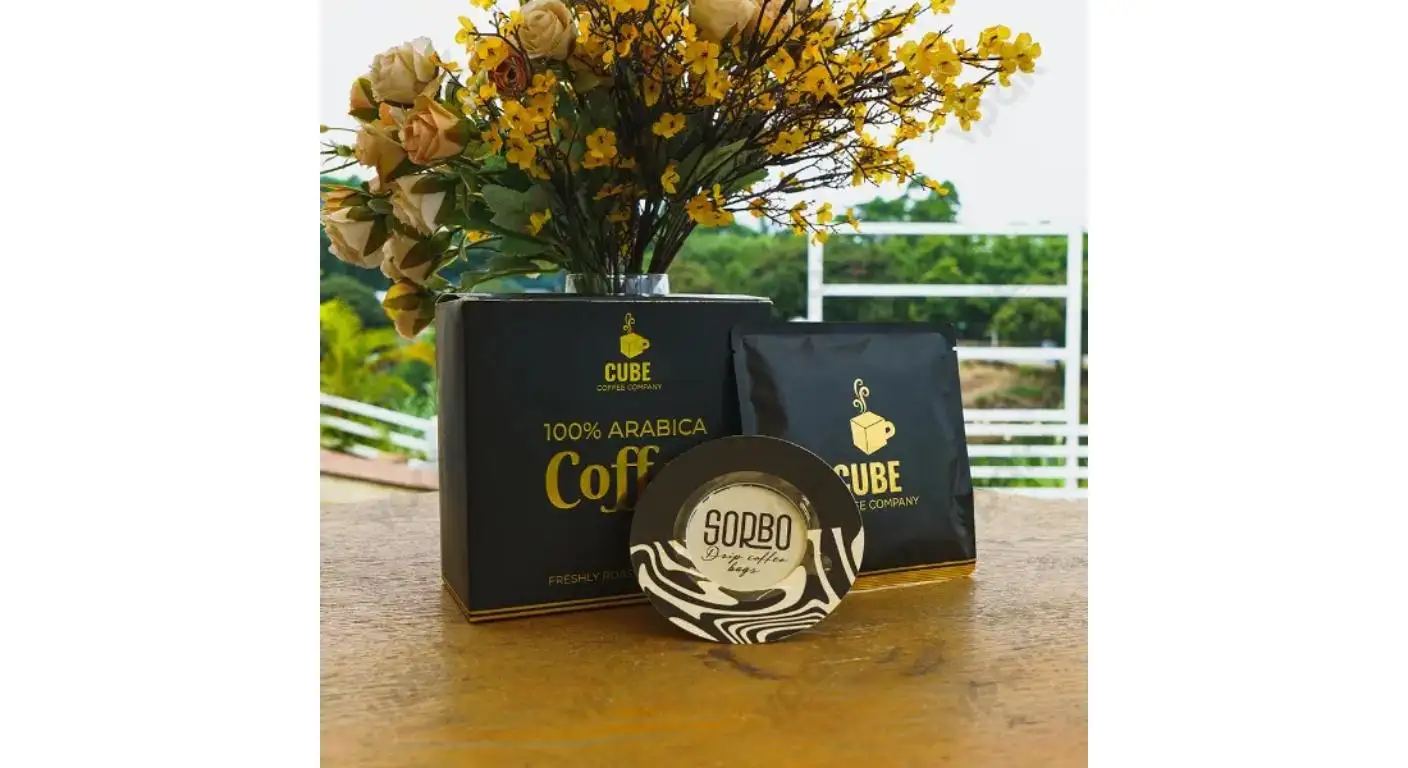
- ドリップコーヒーソリューション
- UFOドリップコーヒーシステム
- ギフトボックスプログラム
- ラベルとステッカー
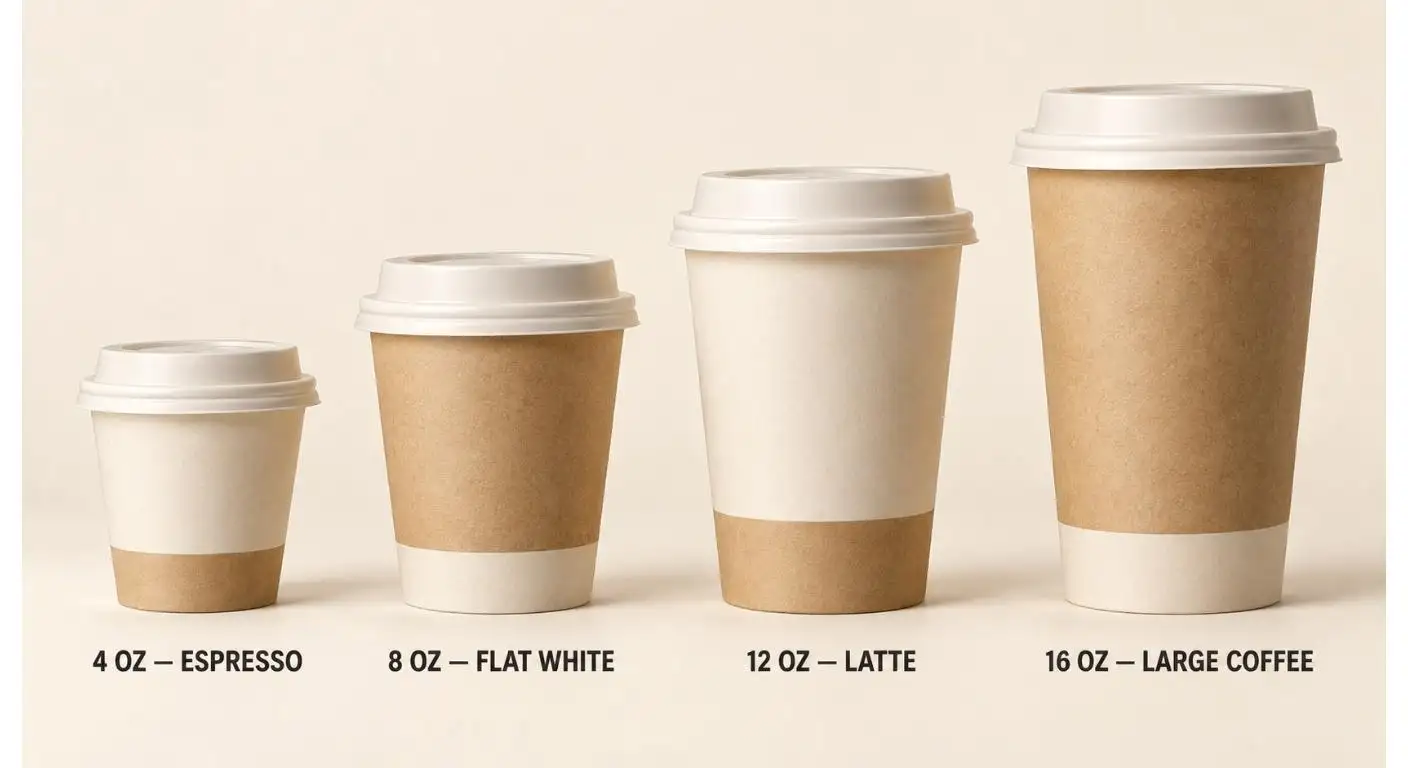
- 紙とPETカップ
- コーヒー缶
- パッケージングコンポーネントを支えています
これらの要素は独立して存在しません.
一緒に, それらは顧客がブランドに対して持つ第一印象を形成します。成長中のコーヒー企業にとって, その第一印象は、多くの人が思っている以上に重要です.
専門知識をブランドに変えたいなら
もしかすると、あなたはロースターかもしれません.
もしかしてカフェを経営しているのかもね.
すでにあなたのコーヒーを信頼しているお客様がいるかもしれません.
そして今、もっと大きなことを考えているんだね.
製品ライン.
小売ブランド.
新たな市場機会.
その時点で, 課題は変わります.
問題はもはやコーヒーを理解しているかどうかではありません.
問題はこうなります:
市場は、あなたのコーヒーを選ぶ価値がある理由を理解できるのでしょうか?
これがPARCELが解決しなければならなかった課題でした.
そして、これは今日多くの成長中のスペシャルティコーヒーブランドが直面している課題と同じです.
専門知識からブランドへの道のりは、しばしば製品開発を経て進む, パッケージングシステム, 顧客体験, そして市場の検証。だからこそ、より多くのコーヒー事業者がサプライヤーだけでなく、, しかし、ブランドを市場に出すプロセスを理解しているパートナーにとっては.
世界チャンピオンからブランド創設者へ
ミカエル・ポルタニエの物語は、チャンピオンシップ獲得のためのものではありません.
それは、はるかに難しい問いに答えることです.
なぜ一部の専門家は専門知識をブランドに変えることに成功するのでしょうか, 一方で、そうでないものもあります?
PARCELは一つの答えを示しています.
専門知識が信頼性を生み出します.
しかし、信頼性だけでは不十分です.
ブランドは人々が理解してくれれば成功します.
彼らがそれと繋がるとき.
そして、彼らがその場所に戻ることを選ぶとき.
それには知識以上のものが必要です.
翻訳が必要です.
アイデアを製品に変える能力, 製品から体験へ, そして長続きする関係への体験.
チャンピオンシップは専門知識を示す.
ブランドは長期的な価値を創出します。そして、それがミカエル・ポルタニエの旅路における最も重要な教訓かもしれません.
脚本
ypak.coffee(イパク・コーヒー)
イパク
YPAKパッケージンググループは 2011 そして 3 香港に拠点を置く企業, 東莞と佛山. 私たちは中国最大級のコーヒーバッグメーカーの一つになりました. 私たちはスイス製の最高品質のWIPFバルブを使用して、コーヒーを新鮮に保ちます.
多くの国で課されているプラスチック禁止政策に適合すること, 持続可能な包装袋の研究と開発を行ってきました, リサイクル可能・堆肥化可能なポーチなど.
最低量はない, HP 25K INDIGOデジタルプリントサービスではカラープレートは不要です.
YPAKへの訪問は歓迎します.