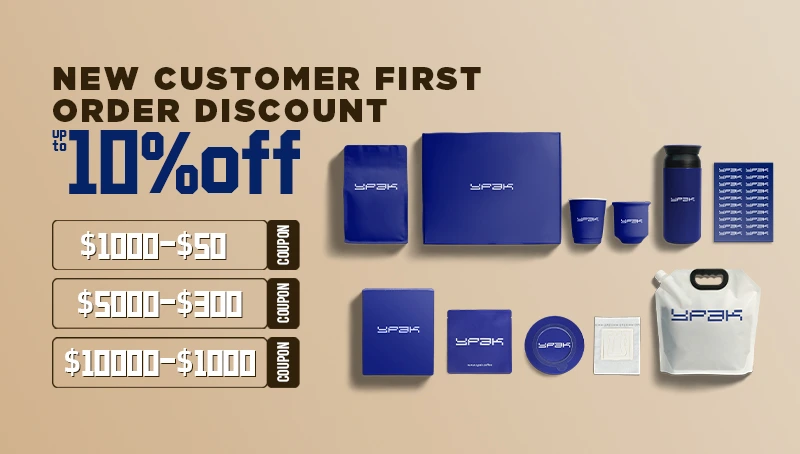


更新 3 月 以前に
オスカー・ガーベルク (2012 スウェーデン・バリスタチャンピオン): なぜ優れたブランドがシステムを必要とするのか, デザインが増えない
ypak.coffee(イパク・コーヒー)
YPAKパッケージンググループは 2011 そして 3 香港に拠点を置く企業, 東莞と佛山. 私たちは中国最大級のコーヒーバッグメーカーの一つになりました. 私たちはスイス製の最高品質のWIPFバルブを使用して、コーヒーを新鮮に保ちます.
多くの国で課されているプラスチック禁止政策に適合すること, 持続可能な包装袋の研究と開発を行ってきました, リサイクル可能・堆肥化可能なポーチなど.
最低量はない, HP 25K INDIGOデジタルプリントサービスではカラープレートは不要です.
YPAKへの訪問は歓迎します.
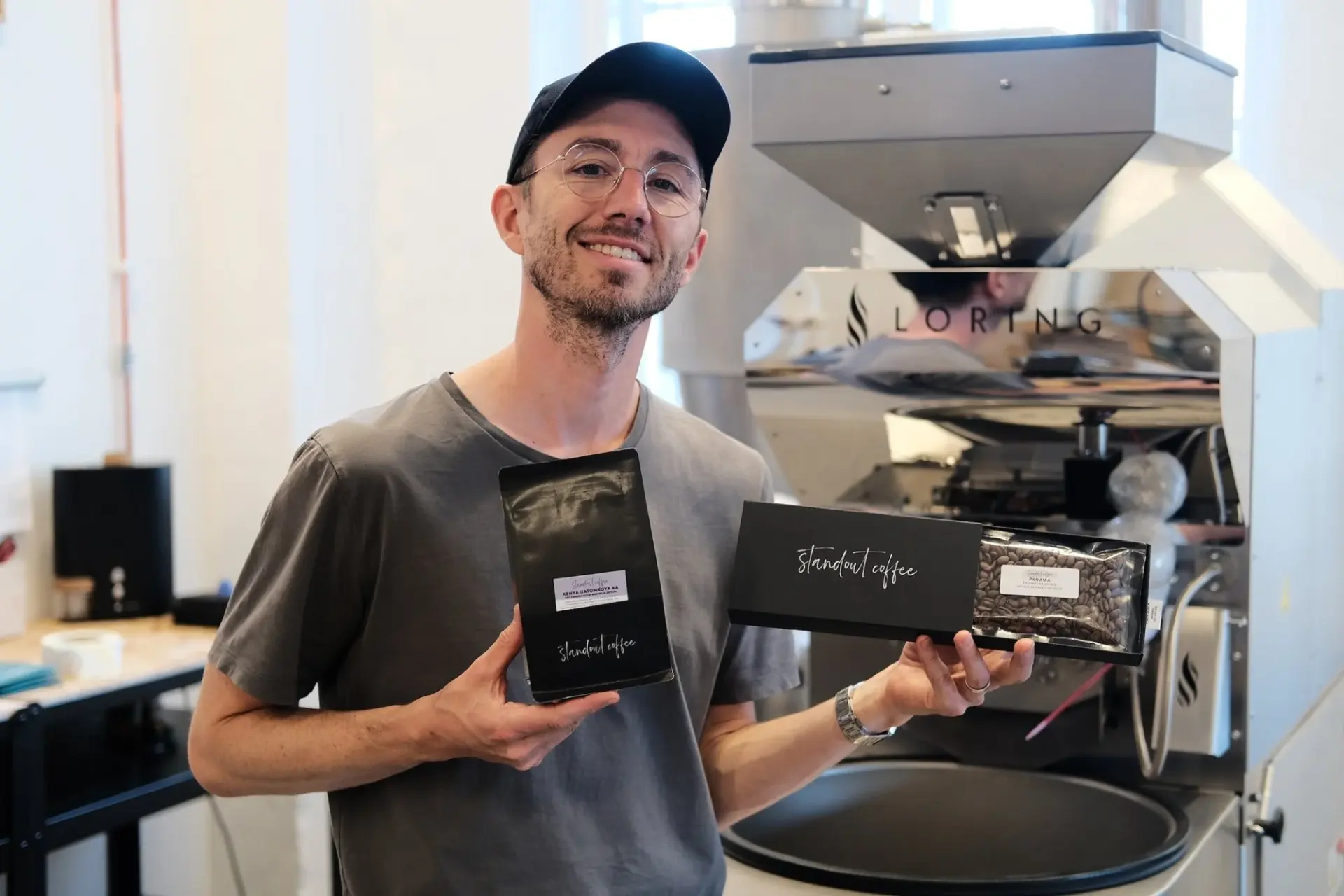
2012 スウェーデン・バリスタチャンピオン
スペシャルティコーヒーがすべてを語ろうとするのをやめたときに学んだこと
チャンピオンプロフィール
名前: オスカー・ガーベルク
国: スウェーデン
競技: スウェーデン・バリスタ選手権
年: 2012
チャンピオンタイプ: トランジショナルチャンピオン
知られる: スペシャルティコーヒーにおける複雑さから明瞭さへの転換を示すシリーズ: コーヒーのチャンピオンたち
なぜ多くのコーヒーブランドは成長に苦しむのでしょうか?
コーヒーブランドを始めるのは難しいです.
育てるのはさらに難しいことが多いです.
初期に, すべてが管理できる気がします.
製品ラインナップは小さい.
単一のパッケージ形式.
明確な物語.
明確なアイデンティティ.
しかし成長は状況を変えます.
新しいコーヒーが登場します.
季節限定のリリースも登場します.
新たな小売チャネルの登場.
より多くの市場が開かれます.
さらに多くの製品が追加されます.
そしてゆっくりと, 複雑さが明晰さに取って代わり始めます.
多くのコーヒーブランドは、コーヒーが悪化しても勢いを失うことはありません.
ブランドの理解が難しくなることで勢いを失います.
課題はもはや製品を作ることではありません。課題は秩序の創造です.
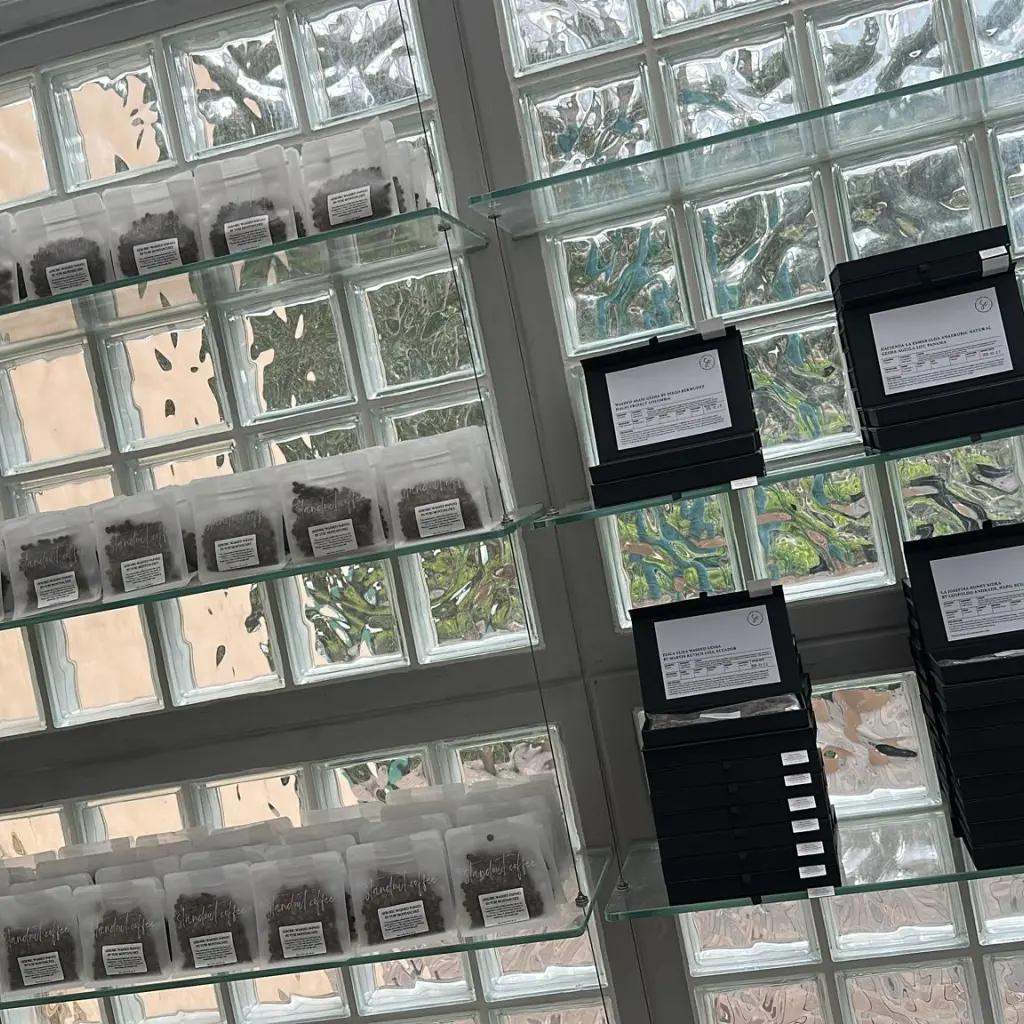
なぜ 2012 それでも再訪する価値はあります?
スペシャルティコーヒーを振り返ってみて 2012 急速な変化の時期を迎える業界を明らかにします.
新たな起源が注目を集めていた.
新しい加工方法が模索されていました.
競技はますます洗練されつつありました.
情報は至る所にありました.
当時の一般的な認識は単純でした:
知識が増えれば価値も増す.
情報が増えれば、専門知識も増える.
複雑さが増すほど、より良いコーヒーが出る.
でも同時に, 別のアイデアが浮かび始めていた.
コーヒーの専門家の中には別の質問をする人もいます:
もし人々がこれ以上の情報を必要としていないとしたらどうでしょう?
もし単に、より明確に理解する方法が必要なだけなら?
この考え方の変化は、北欧コーヒー文化の特徴の一つとなりました。そしてオスカー・ガーバーグはその移行期の一部でした.
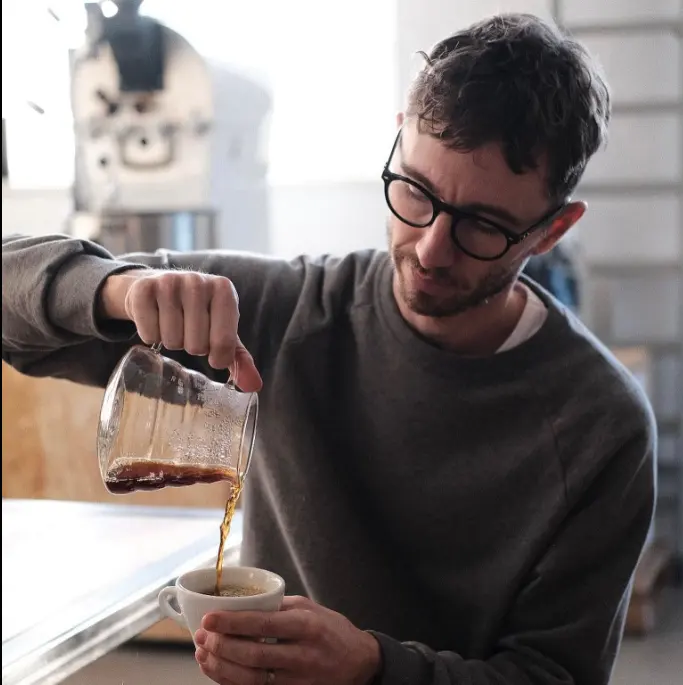
オスカー・ガーバーグは決して競争だけの存在ではなかった
多くのチャンピオンはそのパフォーマンスで記憶されています.
変化を表すために記憶されるものもあります.
オスカーは第二のグループに属します.
今日, ほとんどの人は正確なスコアを思い出せません。 2012 スウェーデン・バリスタ選手権.
ステージで提供されるすべてのコーヒーを覚えている人はほとんどいません.
それでも、その時代に関連する思想は今なお非常に重要であり続けています.
複雑さよりも明確さを重視する.
一貫性を重視し、新しさより.
パフォーマンスよりも理解.
これらの原則は、最終的に北欧のコーヒー文化だけでなく、多くの現代のスペシャルティコーヒーブランドが消費者とコミュニケーションを取る方法にも影響を与えました。その意味で, オスカーの重要性は単一の大会結果にとどまりません.
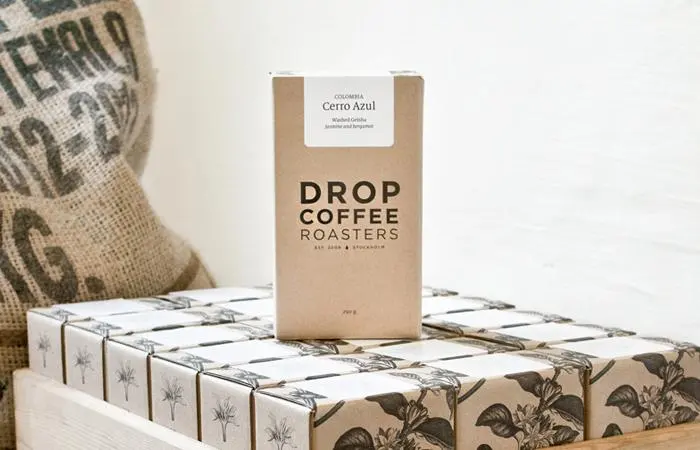
なぜ成熟したブランドはデザインをあまり使わないのか?
一見すると, これは直感に反するように思えます.
多くの若いブランドは、より多くのブランドを増やすことで目立とうとします.
さらに色が増えました.
グラフィックも増やしています.
さらなる物語.
より視覚的な要素.
確立されたブランドはしばしば逆のことをしています.
彼らは単純化します.
彼らは減少します.
気を散らすものを取り除きます.
なぜなら、時間が経つにつれて彼らは重要な発見をしていくからです:
顧客は個々のデザイン要素をほとんど覚えていません.
彼らは全体のブランドを覚えています.
強力なブランドは、すべてのパッケージをユニークにしようとはしていません.
彼らはすべての製品が明確に同じシステムの一部であることを目指しています.
なぜパッケージングシステムがパッケージデザインよりも重要なのか
デザインは個々の問題を解決します.
システムは成長問題を解決します.
コーヒー会社が1つの製品から10個に拡大するとき, あるいは10歳から50歳まで, 新たな疑問が浮上する:
顧客はブランドを素早く認識できますか?
新製品を効率的に発売できるか?
複数の製品ラインを視覚的に繋げ続けることができるか?
ブランドは異なる市場間で一貫性を維持できるか?
これらはもはやデザイン上の課題ではありません.
それはシステムの課題です.
そして成長するコーヒービジネスのために, システムはしばしば個々の創造的プロジェクトよりも価値が高まる.
なぜ一部のブランドは素晴らしい製品を持っているのに、ブランド認知度が低いのでしょうか??
これは意外にもよくある問題です.
それぞれの製品が単体で良い見た目です.
それぞれのコーヒーは個別に良いパフォーマンスを発揮します.
しかし、一緒に置くと, 彼らは統一された印象を生み出せていません.
顧客はブランドに属するものを見極めるのに苦労します.
製品間の関係は不明瞭になります.
製品ラインナップが拡大するにつれて, 問題はより目に見えるようになります.
その結果は逆説的です.
ブランドはより多くの商品を獲得します.
しかしブランドの強さは失われます.
最も成功しているコーヒー会社は、成長が構造を必要としていることを理解しています.
ブランドは製品の集合体ではないからです。それはそれらをつなぐ枠組みです.
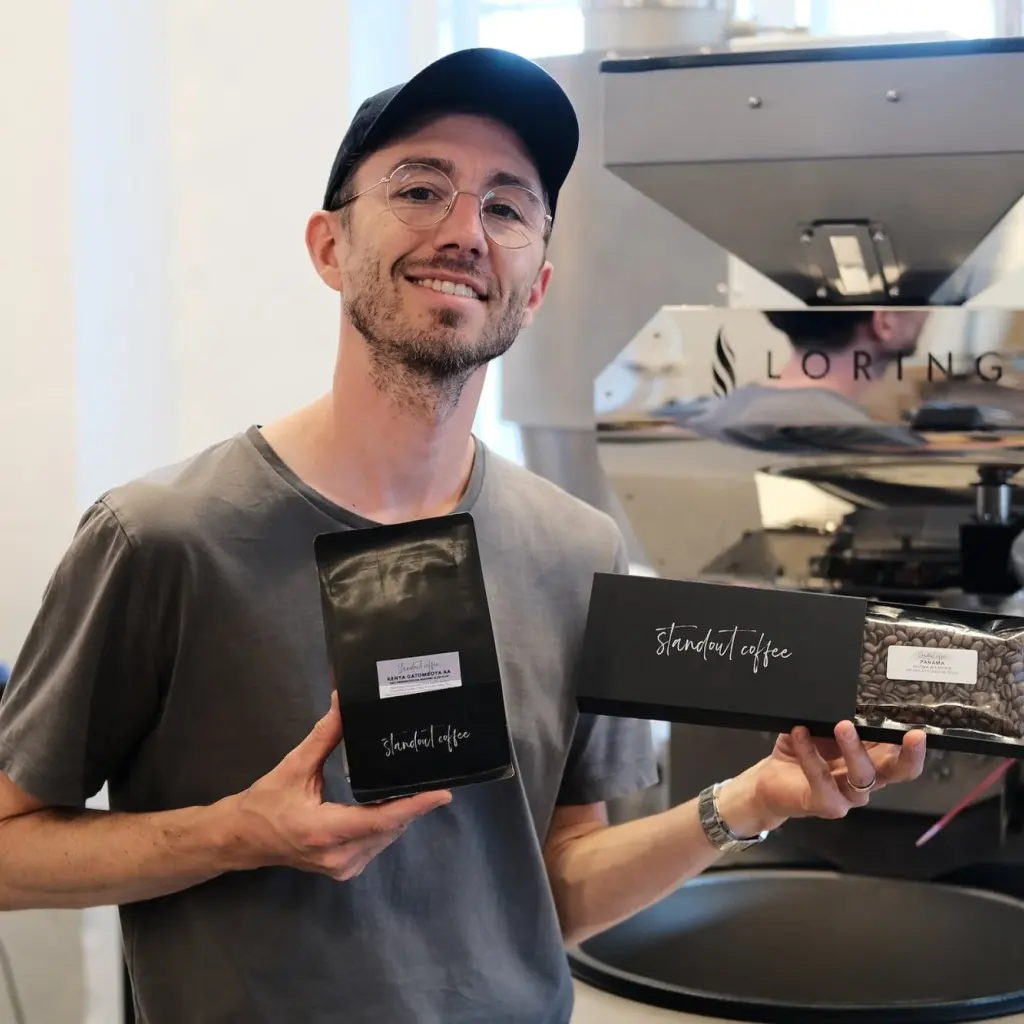
なぜヨーロッパのコーヒーブランドがパッケージアーキテクチャに投資しているのか?
ここ数年で, ヨーロッパの多くのスペシャルティコーヒーブランドも同様の疑問を投げかけ始めています.
複数の製品ラインで一貫性をどう維持するか?
将来の成長に備えるにはどうすればよいのでしょうか?
製品を使いやすくするにはどうすればいいですか?
スケール可能なシステムをどのように作るか?
これらの問いはパッケージデザインを超えたものです.
彼らはより広い分野に属しています: ブランドアーキテクチャ.
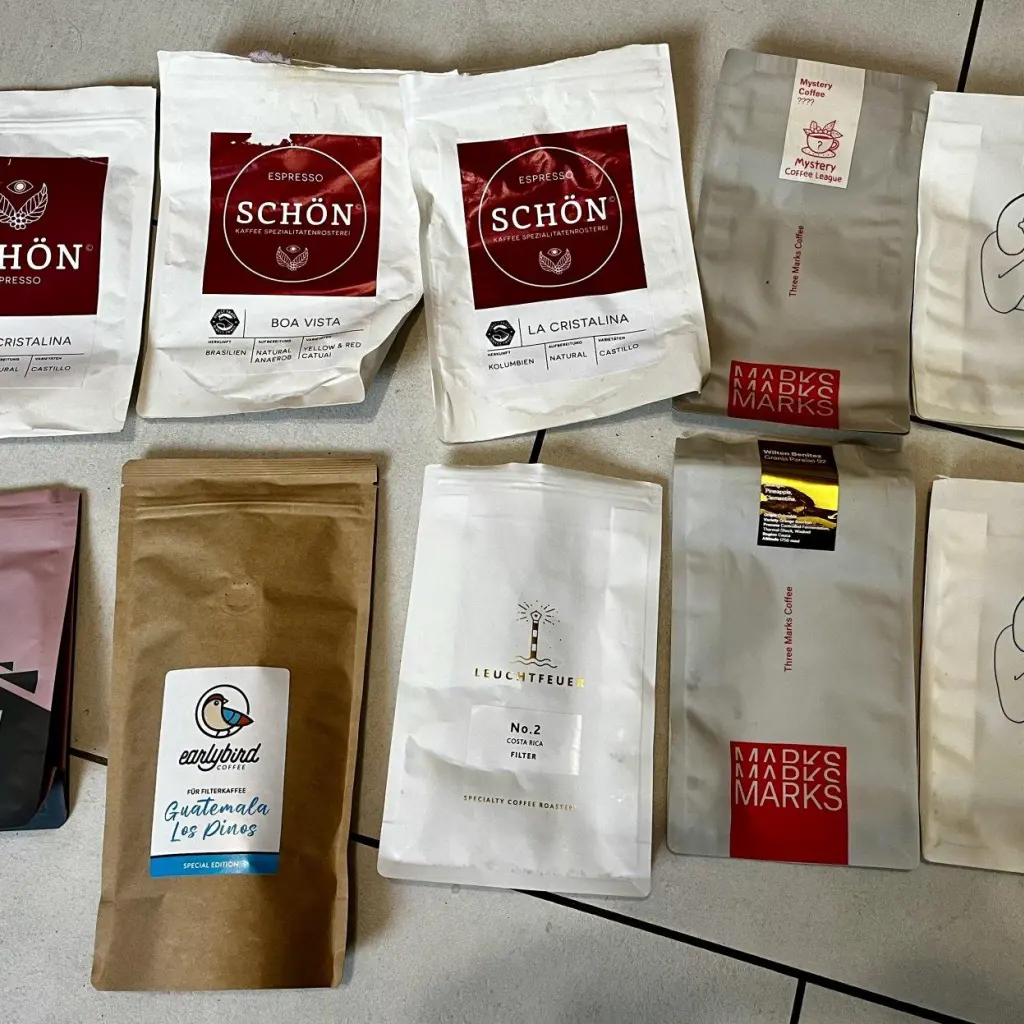
顧客は荷物を見る.
ブランドはエコシステムを管理します。そしてその生態系が大きくなるほど, より重要な構造は.
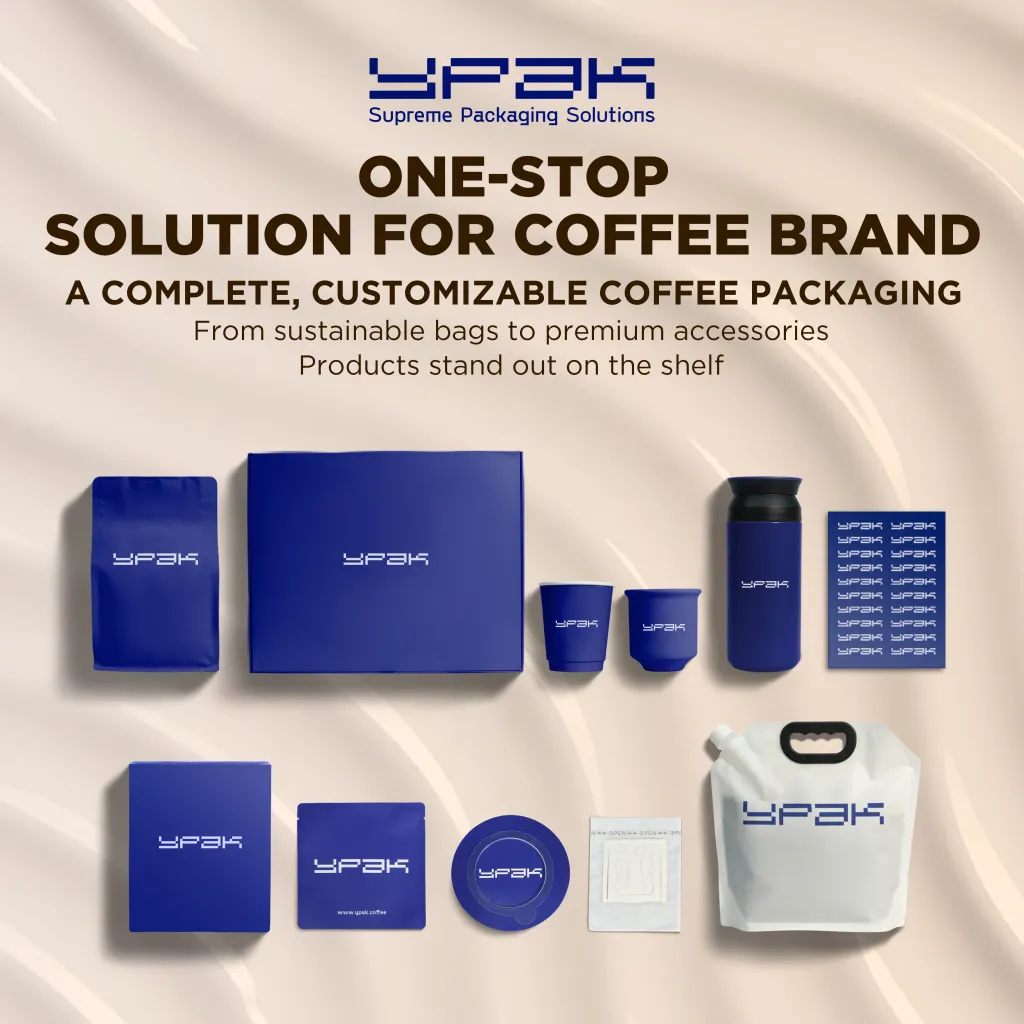
YPAKがブランドがスケール可能なパッケージングシステムを構築するのを支援する方法
ほとんどの包装サプライヤーは、個別のパッケージプロジェクトの作成に注力しています.
コーヒーブランドを育てる側は、しばしば何か新しいものを必要としています.
彼らにはシステムが必要です.
製品ポートフォリオの拡大に伴い, 一貫性を維持することがますます難しくなっています.
包装はもはや単なる製造作業ではありません.
それはブランドインフラの一部となります.
ここでYPAKは異なるアプローチを取っています.
コーヒーバッグの製造を超えて, YPAKはブランドが長期的な成長を目指すパッケージングシステムを構築するのを支援します.
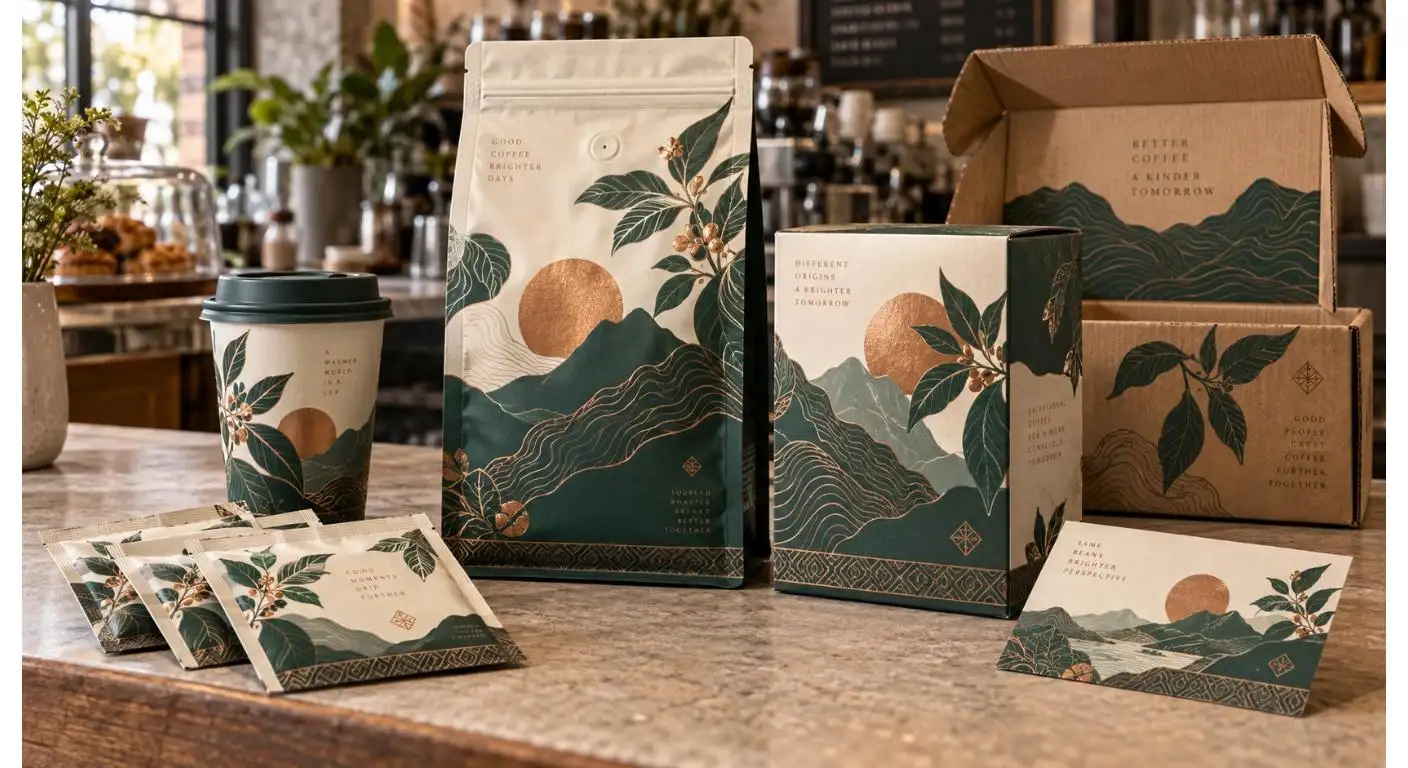
コーヒーバッグやドリップコーヒーのフォーマットからUFOドリップコーヒーキットまで, ギフトボックス, レーベル, 紙コップ, ペットカップ, コーヒー缶, および将来の製品拡張, 目的は単にパッケージを作ることではありません.
目標は一貫性を生み出すことです.
一貫した構造.
明確な視覚的階層.
ブランドがアイデンティティを失わずに成長できるスケーラブルなフレームワーク.
なぜなら、本当の課題は一つのパッケージを設計することではないからです。本当の課題は、ブランドが複雑になるにつれて管理することです.
ブランドが成長しているなら, デザインがもはや主な課題ではないかもしれません
成長は複雑さを生み出します.
複雑さは摩擦を生み出します.
しかも明確なシステムがなければ, 複雑さはやがて混乱へと変わる.
多くのコーヒー会社は、課題がもはや注目されなくなってしまう段階に達しています.
それは明瞭さを保つことです.
おそらくそれがオスカー・ガーバーグの時代から得られた最も貴重な教訓の一つでしょう.
進歩は必ずしも「さらに」を加えることだけではありません.
時には、より良い構造を作ることが重要でもあります.
複雑さの管理を容易にする。そしてブランドとして成長を確実にしていきます, 今でも一つのブランドのように感じられます.
競争を超えた遺産
オスカー・ガーバーグがスウェーデン・バリスタ選手権で優勝してから、10年以上が経過しました.
今でも競技会の詳細について語る人はほとんどいません.
それでも多くの者はその時代に関連する原則を今も適用し続けています.
複雑さから明快さへの移行.
個々の製品から一体化したシステムまで.
孤立したデザインの決定から長期的なブランド思考まで.
それがオスカー・ガーバーグの最も永続的な貢献かもしれません.
今日のスペシャルティコーヒーブランドのために, 優れたデザインは依然として重要です.
しかし、最終的に長期的な成長を支えるのは、より大きな何かです.
ブランドがアイデンティティを失わずに進化できるシステム。そしてますます, それが、最も強力なコーヒーブランドが学んでいるものです.
脚本
ypak.coffee(イパク・コーヒー)
イパク
YPAKパッケージンググループは 2011 そして 3 香港に拠点を置く企業, 東莞と佛山. 私たちは中国最大級のコーヒーバッグメーカーの一つになりました. 私たちはスイス製の最高品質のWIPFバルブを使用して、コーヒーを新鮮に保ちます.
多くの国で課されているプラスチック禁止政策に適合すること, 持続可能な包装袋の研究と開発を行ってきました, リサイクル可能・堆肥化可能なポーチなど.
最低量はない, HP 25K INDIGOデジタルプリントサービスではカラープレートは不要です.
YPAKへの訪問は歓迎します.