

更新 3 月 以前に
バルブ付きのエコフレンドリーコーヒーバッグ: パッケージングの設計 "息をする" — そしてグリーン
ypak.coffee(イパク・コーヒー)
YPAKパッケージンググループは 2011 そして 3 香港に拠点を置く企業, 東莞と佛山. 私たちは中国最大級のコーヒーバッグメーカーの一つになりました. 私たちはスイス製の最高品質のWIPFバルブを使用して、コーヒーを新鮮に保ちます.
多くの国で課されているプラスチック禁止政策に適合すること, 持続可能な包装袋の研究と開発を行ってきました, リサイクル可能・堆肥化可能なポーチなど.
最低量はない, HP 25K INDIGOデジタルプリントサービスではカラープレートは不要です.
YPAKへの訪問は歓迎します.
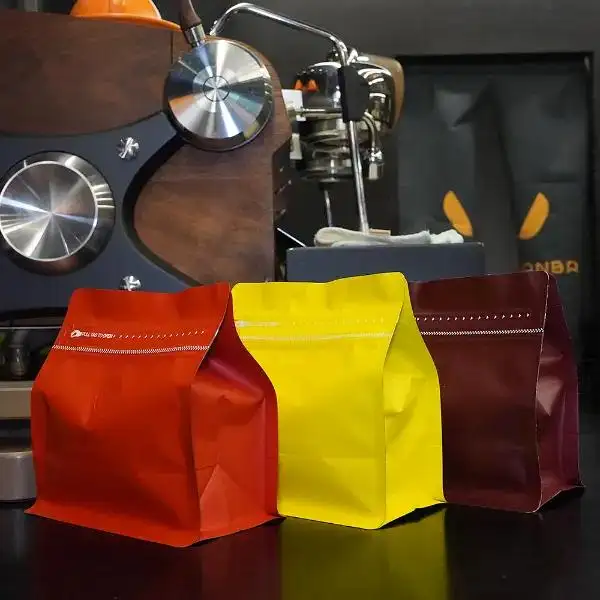
バルブ付きのエコフレンドリーコーヒーバッグ
いつものコーヒーバッグを想像して, でも呼吸はできる, ガスを放出し、酸素を遮断してしまいます, 豆が古くなるのを防ぎつつ、環境にも優しい. これがバルブ付きのエコフレンドリーコーヒーバッグの目的を象徴しています.
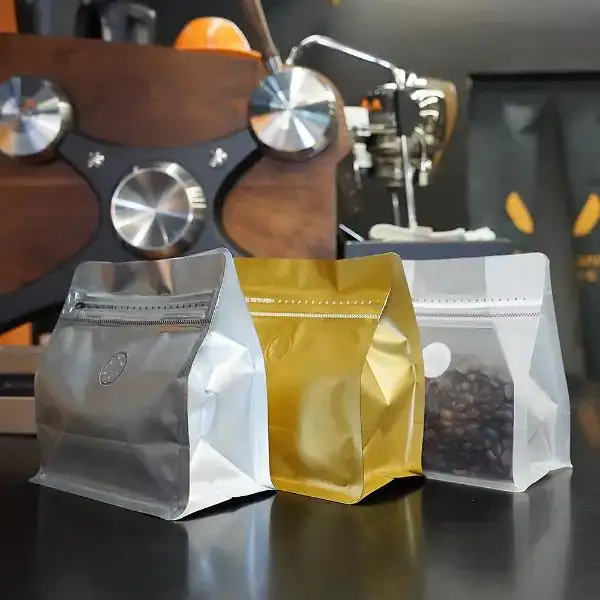
これらのバッグは単なる包装技術の一歩一歩ではありません. 現代のコーヒーバッグにバルブを追加することは、コーヒーの新鮮さの完璧なバランスです, そして環境に優しい一歩です. 以下は最新のコーヒーバッグがこれらにどのように対応しているかです, 一息ずつ進めていった.
新鮮さの科学: なぜコーヒーは "深呼吸して"
焙煎したばかりの豆はまだ動き続け、化学反応に満ちています. コーヒーロースト後の最初の数時間から数日間に, 豆はCO2で満たされていて、かなりガスが多いです. これは、まだ生き生きとした豆で起こる多くの化学反応の一つの副産物です. このガスの放出, または脱ガス, 焙煎後の最初の数日間が最も強くなります, しかし、さらに長く続けることもあります.
もしCO2に逃げ場がなければ, 袋は成長したり変形したり、破裂することもあります.
この問題に対する最良の解決策は、一方通行の脱ガスバルブです. この小さな追加により、CO2は外に排出されつつ、酸素や外部からのものが袋内に入るのを遮断します.
・酸素はコーヒーの最大の敵です. そこには、停滞の加速があります, 油分の損失と酸化, これらすべてが風味のプロファイルや香りを損なう結果となっています.
・バルブは圧力差を利用して機能します. バッグ内の圧力があるレベルに達すると, バルブはガスを放出するために開き、その後再び閉じます, バッグが無傷のままで酸素の侵入を防ぐために正圧を保つこと (通常 1 宛先 2 周囲圧力よりPSI).
•この設計により即時のパッケージングが可能になります: バルブなし, 焙煎業者は不可能な選択を迫られます — 即座に封印し、爆発のリスクを負う, あるいは待つ 5-7 完全な脱ガスと鮮度のピークを犠牲にする日数. バルブはそのトレードオフを完全に排除します.
要するに, このバルブはコーヒーに "息を吐いて" 決して "息を吸い込む。"
環境課題: 小さな構成要素, 大きな足跡
ここでパラドックスがあります: コーヒーを新鮮に保つバルブそのものが, つい最近まで, 持続可能性の盲点でした. 毎年数十億個のコーヒーバッグが使い捨てプラスチック製の一方向除ガスバルブで密封されています. 個々に見ればとても小さい, これらのバルブはまとめて大量のプラスチック廃棄物を生み出し、袋自体とは異なる素材で作られているためです, リサイクルを複雑にします.
ここで "環境に優しい" Valve付きのエコフレンドリーコーヒーバッグの一部が浮かび上がる. 業界は今やバッグだけでなく再考を始めています, しかし、バルブを含むすべての部品が.
多層から単一材料へ: 包装革命
伝統的なコーヒーバッグは複数層で構成されており、通常はPET製です, アルミホイル, そしてPEは、コーヒーに必要なバリア特性を生み出すためにラミネートされています. 問題点? これらの多材料複合材はリサイクルが非常に難しいことで有名です.
業界の答えは単一材料アプローチです: 単一から作られたパッケージ, リサイクル可能な物質, 最も一般的なのはポリプロピレン (PP) またはポリエチレン (又は).
・モノPPパッケージングは、約 90% リサイクル可能性, 印刷や技術によって異なります.
・CO₂フットプリントを大幅に削減します — PPベースのモノパッケージングは、従来のPET/アルミニウム/PE複合材料フィルムと比べてCO₂の3分の1以上を削減できます.
・重要なのは, バルブ自体が一致しなければなりません: 真にリサイクル可能な袋には、同じ単素材製のバルブが必要です — 例えば, モノPPバルブはモノPPバッグに取り付けられています. これにより、パッケージ全体が分解せずにリサイクルストリームに入ることが保証されます.
このシフトは "マルチ" 宛先 "モノ" これは今日の持続可能なコーヒー包装における最も重要な技術的進歩です.
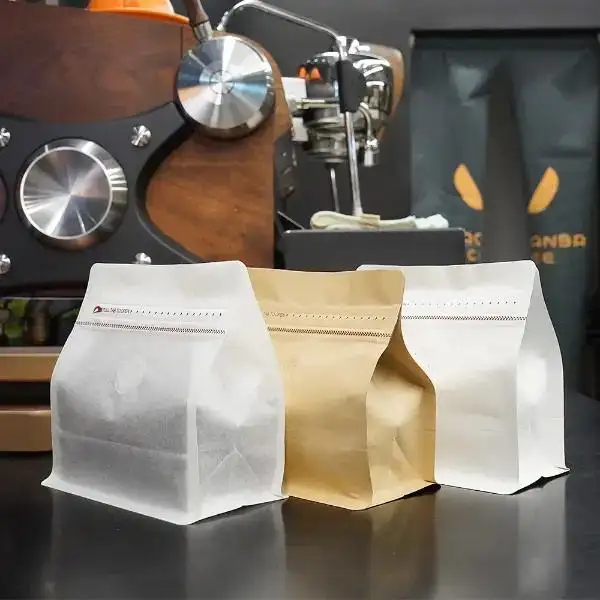
堆肥化可能な選択肢: リサイクルが現実になる時代'唯一の道
すべてのValve付きエコフレンドリーコーヒーバッグがリサイクル用に設計されているわけではありません. 消えるように設計されたものもあります.
堆肥化可能なコーヒーバッグは、PLAなどの植物由来の素材で作られています (ポリラクティック酸) そしてクラフト紙. 工業堆肥化条件下での, PLAのパッケージは、わずかに簡単に分解できます 90 何千年もの伝統的なプラスチックが生き続けてきたことと比べて、数日間.
しかし, "堆肥化可能" 精査が必要:
・工業用堆肥と家庭用堆肥化の違い: ほとんどの認定された堆肥化可能なコーヒーバッグは工業用堆肥化が必要です.
・認証が重要な理由: 産業用堆肥化の主な基準は、欧州EN13432と米国のASTM D6400です. EUにおいて, EN 13432 標準は堆肥化可能な製品の法的保証です.
• "1% 統治": ENによると 13432 標準, パッケージの各コンポーネントが より大きい 1% パッケージの乾燥重量は堆肥化可能であることを証明しなければなりません. そこで, バルブには認証も必要です.
EUのような期限がある 2028 堆肥化可能なソフトカプセルおよびパッドの義務付け, EUに焦点を当てたブランド向け, 英国, 北米市場, 堆肥化可能な包装の使用は、ますます選択であるだけでなく、法的義務ともなっています.
規制の推進: なぜ持続可能性はもはや選択肢ではないのか
コーヒーブランドは、Valveのエコフレンドリーコーヒーバッグを善意から使っているわけではありません. The EU PPWR (包装および包装廃棄物規制) 環境に優しいコーヒーバッグの利用を加速させています.
EU PPWR規則の対象:
・すべての包装の完全な堆肥化可能.
・すべての包装の完全なリサイクル可能化 2030.
・少なくとも 70% プラスチック包装の中でも.
・最小値を確立する 10% すべてのプラスチック包装における消費者後プラスチックリサイクル 2030.
これらの目標は法的拘束力を持ち、遠い目標ではありません. これらの規制により、Valveのエコフレンドリーコーヒーバッグの使用が法的に義務付けられています.
YPAK(ヤ・パック): 呼吸可能な工学, グリーンコーヒーバッグ
YPAKパッケージンググループは、コーヒーバッグメーカーとValve搭載のエコフレンドリーコーヒーバッグの中間に位置しています. 会社設立後 2011, 香港と東莞にも工場とオフィスを有しています, YPAKパッケージンググループは中国有数のコーヒー包装会社の一つとなりました, これは部分的にはBRCGS食品安全およびISOによるものです 22000:2018 同社の2つの工場の認証.
バルブ技術に関して, YPAKはスイス製WIPF一方向弁を標準として使用しており、コーヒー包装を最も新鮮に保つために使われている最高の部品を誇っています.
持続可能性もYPAKのミッションの一部です, そして堆肥化可能かつリサイクル可能なパウチの導入により, YPAKは企業が新規情報の侵害を回避するのを支援します, より厳格, EUにおけるプラスチック包装規制, 英国, そして北アメリカ.
YPAKは世界で最も先進的なデジタルプリンターの一つをポーチ印刷に使用しています, HP インディゴ 25K, 任意のランに対して, いつでも, 最低注文数はありません, 印刷版はありません, そして最高のフォトリアリスティックなクオリティと色彩で.
配達比は 99.5%, YPAKは約束を守ることを信頼されています.
持続可能な包装への困難な転換に直面しているコーヒー焙煎業者やブランドへ, YPAKはコーヒーの鮮度の科学と環境に配慮した包装の技術を熟知するパートナーです. 結果? バルブ付きのエコフレンドリーなコーヒーバッグ。通気性があり、環境に優しく、妥協なく.
YPAKパッケージンググループは、施設への来訪者を歓迎しています. リサイクル可能かつ堆肥化可能なコーヒー包装ソリューションに関するお問い合わせ, YPAKを直接ご覧ください.
よくある質問
Q1: 一方通行の脱ガス弁とは何か?
脱ガスバルブは、焙煎されたコーヒーからCO2を排出しつつ、酸素や水分を遮断する装置です, そのため、コーヒーの風味と香りがしっかりと保たれます.
第2四半期: リサイクル可能なコーヒーバッグと堆肥化可能なコーヒーバッグの違いは何ですか?
袋がリサイクル可能になること, プラスチックリサイクルのプロセスに使えるはずです. それに対して, 堆肥化可能な袋は、工業的な堆肥化環境で新しい有機物を形成するために使えるはずです.
Q3: バルブはバッグを開けたときに酸素を取り込むのか??
いいえ. バルブは一方通行です. 内部の圧力が抜けます, そして、酸素やその他の汚染物質が袋内に入らないように密閉します.
Q4: バルブ自体は環境に優しいですか??
はい, 近年において, バルブはプラスチックの使用量やバイオベースの樹脂を減らしています, または、袋のリサイクル性や堆肥化性に合わせて一つの素材のみで作られている場合もあります.
Q5: どの認定が最も重要か?
リサイクル可能性のために, それはHow2Recycleです, 堆肥化性についてはENです 13432, ASTM D6400, OK コンポスト, BPI, そして食品安全のために, BRCGS, ISO 22000.
脚本
ypak.coffee(イパク・コーヒー)
イパク
YPAKパッケージンググループは 2011 そして 3 香港に拠点を置く企業, 東莞と佛山. 私たちは中国最大級のコーヒーバッグメーカーの一つになりました. 私たちはスイス製の最高品質のWIPFバルブを使用して、コーヒーを新鮮に保ちます.
多くの国で課されているプラスチック禁止政策に適合すること, 持続可能な包装袋の研究と開発を行ってきました, リサイクル可能・堆肥化可能なポーチなど.
最低量はない, HP 25K INDIGOデジタルプリントサービスではカラープレートは不要です.
YPAKへの訪問は歓迎します.